A New Normal: When Winter Becomes an Economic Event
In recent years, extreme cold waves across North America have evolved from seasonal inconveniences into full-scale economic and social events. From Ontario and Quebec to New York and the U.S. Northeast, prolonged Arctic air intrusions are no longer just testing individual resilience — they are reshaping how cities operate, how businesses plan, and how governments manage infrastructure and emergency response.
As temperatures plunge well below historical averages, the ripple effects extend far beyond snow-covered streets. Power grids strain, logistics networks slow, consumer behavior shifts, and entire sectors experience measurable financial impact.
Daily Life Under Extreme Cold: Human and Social Disruption
Public Safety and Health Systems Under Pressure
Severe cold increases emergency room visits related to hypothermia, frostbite, respiratory complications, and cardiovascular stress. Hospitals and long-term care facilities face staffing shortages when transit systems slow or roads become hazardous.
In cities like Toronto, Ottawa, and New York, municipal governments expand warming centers, extend shelter hours, and deploy outreach teams to assist vulnerable populations, including the unhoused and elderly residents.
Transportation and Mobility Challenges
Public transit systems experience delays due to frozen tracks, mechanical failures, and reduced fleet availability. Airports in Toronto, Montreal, and New York’s major hubs frequently face cascading flight delays as aircraft de-icing and runway maintenance slow operations.
For commuters, this translates into lost work hours, remote work shifts, and reduced productivity — factors that compound economic impact across industries.
The Business Impact: Where Cold Weather Hits Hardest
Retail and Consumer Spending
Foot traffic in physical retail environments often drops sharply during extreme cold events. Shopping districts in Toronto, Mississauga, Buffalo, and Manhattan report slower in-store sales, while e-commerce platforms and grocery delivery services typically see spikes in demand.
Essential goods — heating equipment, winter apparel, generators, and non-perishable foods — experience short-term surges in sales, occasionally straining inventory and last-mile delivery networks.
Supply Chains and Logistics
Cold weather disrupts road freight, rail schedules, and cross-border trade routes. In Ontario and New York, major highways and border crossings can experience intermittent closures, delaying shipments of automotive parts, food products, and industrial materials.
For manufacturers and distributors operating on just-in-time inventory models, even short delays can lead to production slowdowns and missed delivery commitments.
Energy and Utilities Sector
The most immediate financial pressure often falls on the energy sector. Heating demand spikes sharply, placing stress on natural gas supply chains and electricity grids. Utility providers must balance load stability while managing infrastructure exposed to subzero temperatures.
Power outages — even brief ones — can create significant losses for data centers, healthcare facilities, and temperature-sensitive industries such as food storage and pharmaceuticals.
Small Businesses and the Local Economy
For small and medium-sized enterprises (SMEs), extreme cold can be particularly damaging.
- Hospitality and Restaurants: Dine-in traffic declines, and outdoor seating becomes unusable.
- Construction and Trades: Projects slow or halt entirely, affecting labor income and contract timelines.
- Local Services: Repair services, heating technicians, and emergency contractors often face surges in demand, creating operational bottlenecks.
In border cities like Windsor–Detroit and Niagara Falls–Buffalo, cross-border commerce also feels the impact as travel drops and tourism activity slows.
Workforce and Productivity Shifts
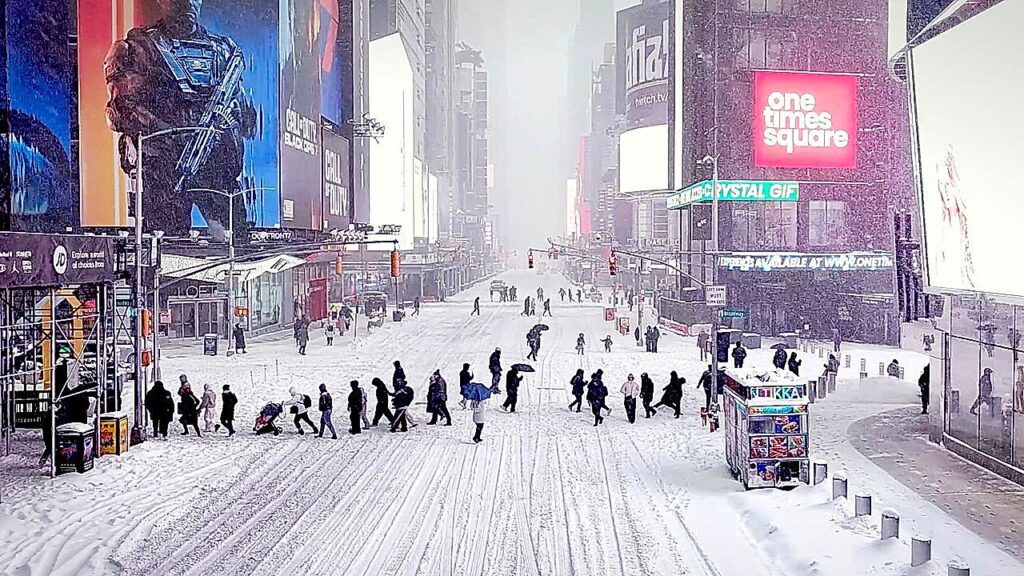
Extreme weather accelerates trends toward flexible work arrangements. During cold snaps, many businesses in Ontario and the northeastern U.S. implement temporary remote work policies to reduce commute risks.
However, not all sectors can adapt. Warehousing, healthcare, manufacturing, and public services require physical presence, making workforce reliability a critical operational challenge during prolonged cold events.
Government Response and Infrastructure Readiness
Emergency Measures
Municipal and provincial/state governments typically deploy coordinated responses that include:
- Emergency warming shelters
- Transit schedule adjustments
- Utility coordination with energy providers
- Public safety advisories and travel restrictions
Infrastructure Stress Test
Cold waves expose vulnerabilities in aging infrastructure. Frozen water mains, burst pipes, and power transmission failures often highlight the need for long-term investment in climate-resilient systems.
In both Canada and the U.S., policymakers are increasingly framing infrastructure spending around “climate adaptation,” recognizing that extreme cold events are becoming more frequent and economically consequential.
The Insurance and Financial Sector Angle
Insurance claims related to frozen pipes, commercial property damage, and business interruption typically rise following major cold events. This leads to:
- Higher premiums in cold-prone regions
- Increased scrutiny of building standards
- Growing demand for weather-risk modeling in commercial real estate and finance
Banks and lenders also monitor these events closely, particularly in sectors like agriculture, logistics, and energy, where seasonal volatility affects revenue stability.
Cross-Border Economic Effects: Canada and the U.S. Connection
Ontario and New York are deeply integrated through trade, manufacturing, and logistics corridors. When extreme cold disrupts one side of the border, the effects are often felt on the other.
Automotive supply chains, agricultural exports, and retail distribution networks rely on continuous cross-border movement. Even short-term weather disruptions can lead to measurable slowdowns in regional economic output.
Innovation and Opportunity in a Cold Climate
While extreme weather creates challenges, it also drives innovation:
- Smart Energy Systems: Investment in grid resilience, battery storage, and demand-response technology is increasing.
- Cold-Climate Construction: New building materials and insulation standards are emerging.
- Climate Tech Startups: Businesses focused on weather forecasting, logistics optimization, and infrastructure monitoring are gaining traction.
These developments point to a growing market for solutions that help cities and businesses operate more reliably under harsh conditions.
A Strategic Reality for the Future
Extreme cold waves are no longer isolated weather events — they are strategic risks for governments, corporations, and communities.
For businesses, this means integrating climate resilience into:
- Supply chain planning
- Workforce policies
- Energy management
- Infrastructure investment
For cities and policymakers, it requires balancing immediate emergency response with long-term adaptation strategies that protect economic stability and public safety.
Conclusion: From Weather Event to Economic Variable
Across Canada, Ontario, New York, and the broader North American region, extreme cold is reshaping how societies function during winter months. What was once a seasonal challenge is increasingly becoming a core consideration in business continuity planning, urban development, and public policy.
The regions that adapt fastest — through infrastructure investment, flexible business models, and climate-resilient systems — will be better positioned not just to survive extreme weather, but to remain economically competitive in a changing climate reality.