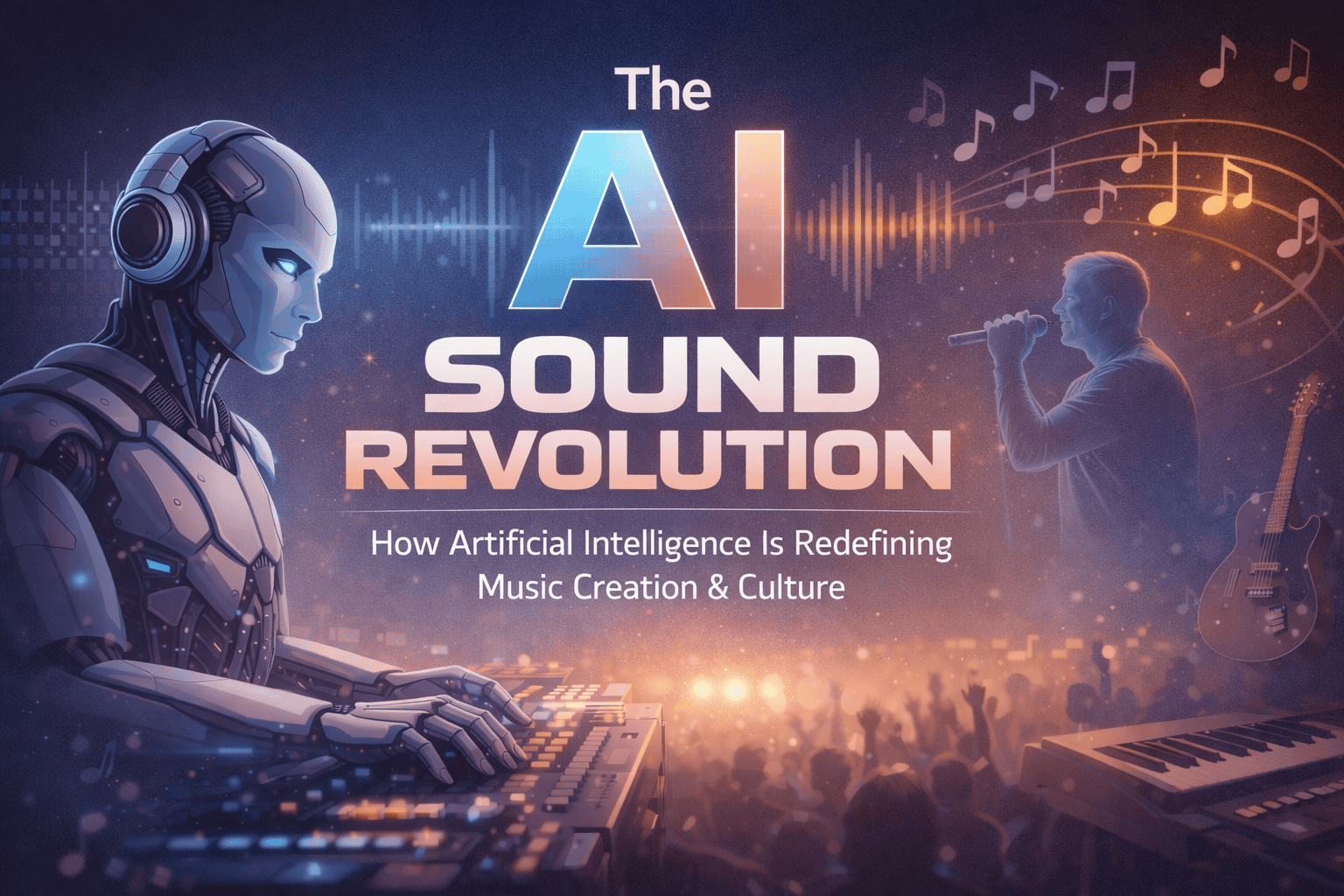

Artificial intelligence is no longer a background experiment in the music world. By 2025 and accelerating into 2026 AI has become a powerful creative force, reshaping how music is composed, produced, distributed, and consumed. From bedroom creators using AI beat generators to viral chart-topping tracks created with machine assistance, the music industry is undergoing one of its most disruptive transformations since the rise of digital streaming.
This shift is impacting not just artists and producers, but also fans, labels, and the very definition of what it means to be a “musician” in the modern era.
AI as a Creative Partner, Not Just a Tool
Unlike earlier music software that focused on editing or recording, modern AI music systems actively participate in the creative process. In 2025, creators commonly use AI to:
- Generate melodies, chord progressions, and harmonies
- Write lyrics based on mood, genre, or theme
- Produce vocal tracks using synthetic or AI-assisted voices
- Instantly remix, master, or adapt songs for different platforms
For independent artists, this has been transformative. AI tools significantly reduce production costs and technical barriers, allowing creators to move from idea to finished track in hours instead of weeks. Many musicians now describe AI not as a replacement, but as a co-producer or creative collaborator.
Viral and Popular AI Music Examples That Defined the Era
AI music crossed from experimentation into mainstream relevance thanks to several high-profile and viral moments:
“Heart on My Sleeve” – Ghostwriter977
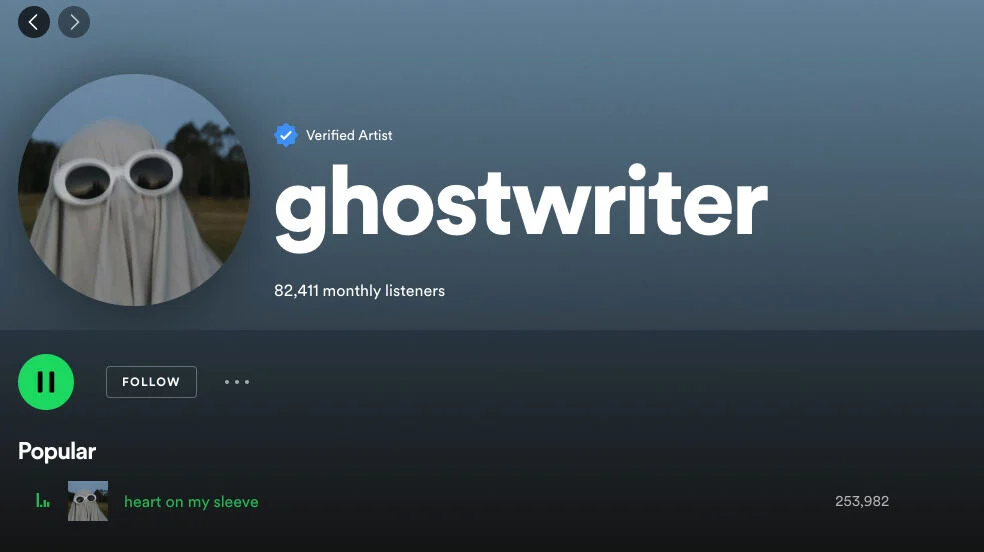
This track exploded across TikTok and streaming platforms after using AI-generated vocals that sounded like Drake and The Weeknd. While it was eventually removed due to copyright concerns, it sparked a global conversation about AI voice cloning, artist consent, and the future of music rights. It remains one of the most influential AI music moments to date.
“I Run” – Haven

An AI-assisted electronic track that went viral in 2024–2025 for its emotionally convincing vocals. The song gained millions of streams before being re-released with human vocals, highlighting both the power and controversy of AI-generated voices.
Breaking Rust – AI Country Music
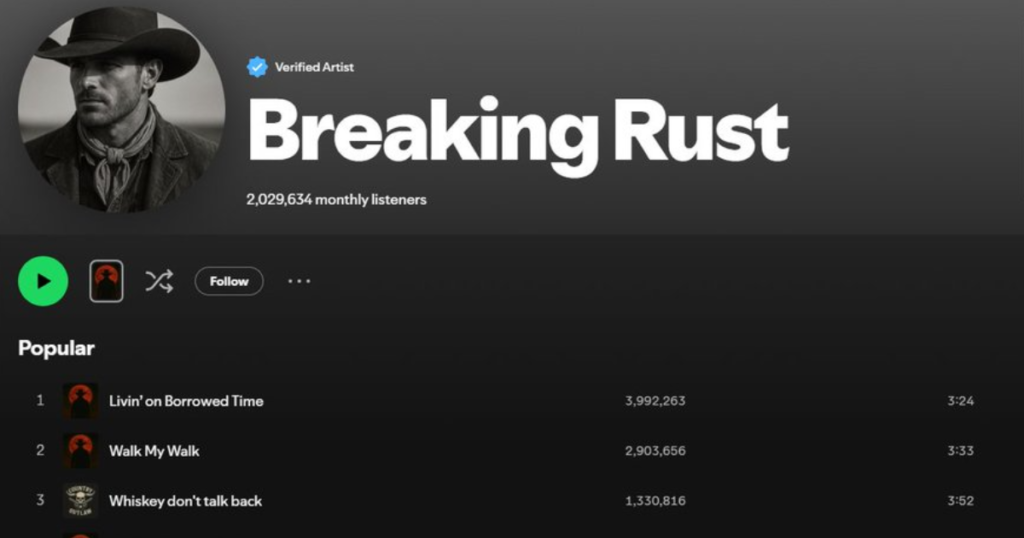
Breaking Rust, an AI-generated country music project, made headlines when its song “Walk My Walk” topped Billboard’s Country Digital Song Sales chart. This marked one of the first times an AI-created artist achieved measurable commercial success in a traditional genre.
AI-Assisted Gospel and Pop Releases
Several artists in gospel, lo-fi, and pop openly credited AI tools for co-writing lyrics, composing melodies, or generating backing vocals. These tracks performed strongly on streaming platforms, proving that audiences were increasingly open to AI-assisted creativity when transparency was maintained.
The Industry Response: Licensing, Labels, and Lawsuits
As AI music gained traction, the industry responded quickly. Major record labels began shifting from outright opposition to controlled collaboration. By 2025, licensing agreements between AI companies and major music rights holders became more common, ensuring training data was legally sourced and artists were compensated.
At the same time, lawsuits and takedowns increased. Platforms cracked down on unauthorized AI voice clones, and governments began exploring new intellectual property frameworks specifically designed for AI-generated content.
The message from the industry became clear: AI is allowed—but not unregulated.
How Fans Are Reacting to AI Music
Listener reactions remain mixed but increasingly nuanced:
- Some fans embrace AI music for its novelty, speed, and personalization
- Others reject it, arguing that emotional depth and lived experience cannot be replicated by machines
- Many listeners simply care about whether a song “feels real,” regardless of how it was made
Interestingly, data from streaming platforms shows that when AI involvement is disclosed transparently, listener backlash decreases significantly. For most fans, authenticity now matters more than the tool itself.
The Cultural Debate: Is AI Music Real Art?
At the heart of the AI music debate lies a deeper philosophical question: Can music created with machines still be considered art?
Critics argue that AI lacks emotion, intention, and cultural context. Supporters counter that humans still guide prompts, make creative decisions, and shape the final output. In practice, most successful AI music in 2025–2026 is hybrid, blending human vision with machine efficiency.
Historically, every major technological shift in music—from synthesizers to Auto-Tune—faced similar criticism before becoming mainstream. AI appears to be following the same trajectory.
What the Future Holds for AI and Music
Looking ahead to 2026 and beyond, several trends are becoming clear:
- AI will be embedded into mainstream music software by default
- Artist contracts will include explicit AI usage clauses
- AI-generated artists and virtual performers will grow in niche markets
- Transparency labels for AI-assisted tracks may become standard
Rather than replacing musicians, AI is redefining what it means to create music in a digital-first world.
Final Thoughts
Artificial intelligence is no longer on the sidelines of the music industry—it is shaping its future in real time. From viral AI tracks and chart-topping experiments to serious legal and ethical debates, 2025 marked a turning point where AI music became impossible to ignore.
For creators, AI represents opportunity. For fans, it offers new sounds and experiences. And for the industry, it presents both risk and reinvention. One thing is certain: the sound of the future will be at least partly artificial—and unmistakably transformative.