
In 2026, romance is no longer confined to candlelight dinners and handwritten notes. It is increasingly mediated by artificial intelligence, algorithmic matchmaking, immersive virtual environments, and connected wearables. Love has entered its platform era.
The numbers explain why this matters to founders. The global online dating market is projected at approximately $3.24 billion in 2026, with steady growth through the end of the decade. Meanwhile, dating app revenues surpassed $6.18 billion in 2024, reflecting monetization strength across subscriptions, in-app purchases, and premium discovery tools.
Romantic tech is no longer niche. It is infrastructure.
For entrepreneurs building in AI, consumer apps, wearables, or experiential commerce, 2026 presents a rare convergence of emotional demand and technological capability. Below is a deep analysis of the emerging trends, market opportunities, risks, and founder takeaways shaping the future of connection.
The Romantic Tech Market at a Glance (2026)
| Segment | Estimated Market Size | Growth Drivers |
|---|---|---|
| Online Dating Market | $3.24B (2026) | AI matchmaking, demographic expansion |
| Dating App Revenue | $6.18B (2024) | Subscriptions, microtransactions, boosts |
| U.S. Dating Services | $3.2B (2025) | Hybrid matchmaking, niche platforms |
| AI Companion Apps | 700% growth (2022–2025) | Loneliness epidemic, emotional AI |
| Romance Digital Content Ecosystem | ~$2.1B | Audiobooks, serialized fiction, AI-generated stories |
The most important shift: monetization is expanding beyond swiping apps into emotional AI, connected devices, and immersive experiences.
Emerging Tech Trends Reshaping Romance
1. AI-Powered Personalization: From Matchmaking to Gifting
The swipe era is maturing. Users increasingly demand contextual intelligence, not just profile matching.
AI Gift Finders and Smart Romance Commerce
AI gift engines now analyze:
- Budget constraints
- Partner preferences
- Shared milestones
- Behavioral data
These tools convert indecision into frictionless commerce — particularly around Valentine’s Day and anniversary spikes.
More importantly for founders:
Gift AI doubles as data acquisition infrastructure.
Every quiz completed improves:
- Behavioral segmentation
- Cross-sell targeting
- Emotional profiling
- Long-term personalization
The result is higher conversion rates and stronger LTV (lifetime value).
AI-Created Emotional Content
Users are now generating:
- AI-written love letters
- Custom songs
- Personalized poems
- Stylized digital artwork
Emotional creation has been productized.
Surveys indicate that roughly 41% of respondents in parts of Europe are open to AI companions or AI-assisted relationships, signaling normalization of machine-augmented intimacy.
This is not novelty behavior. It is adoption.
2. Connection Devices: Hardware Enters the Relationship Stack
The next layer of romantic tech is tactile.
Smart Rings and Wellness Sync
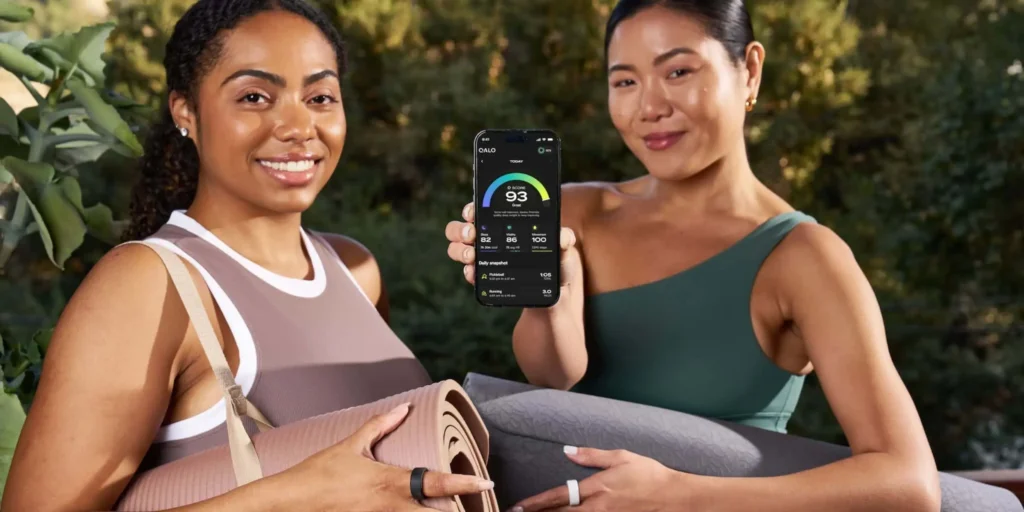
Smart rings such as Oura Ring 4 and Samsung Galaxy Ring track:
- Sleep cycles
- Stress levels
- Heart rate variability
- Recovery metrics
Couples increasingly share this data to maintain emotional synchronization. Wellness is becoming relational.
For founders, this signals opportunity in:
- Shared biometric dashboards
- Relationship wellness scoring
- Emotional-state alerts
- Predictive mood insights
Hardware is evolving into relationship middleware.
Haptic Touch Devices
Emerging wearables simulate:
- Touch pulses
- Heat signals
- Vibration feedback
Long-distance couples can now exchange “digital touch.” This addresses one of the largest pain points in remote relationships: absence of physical presence.
The category is often described as “connection tech.”
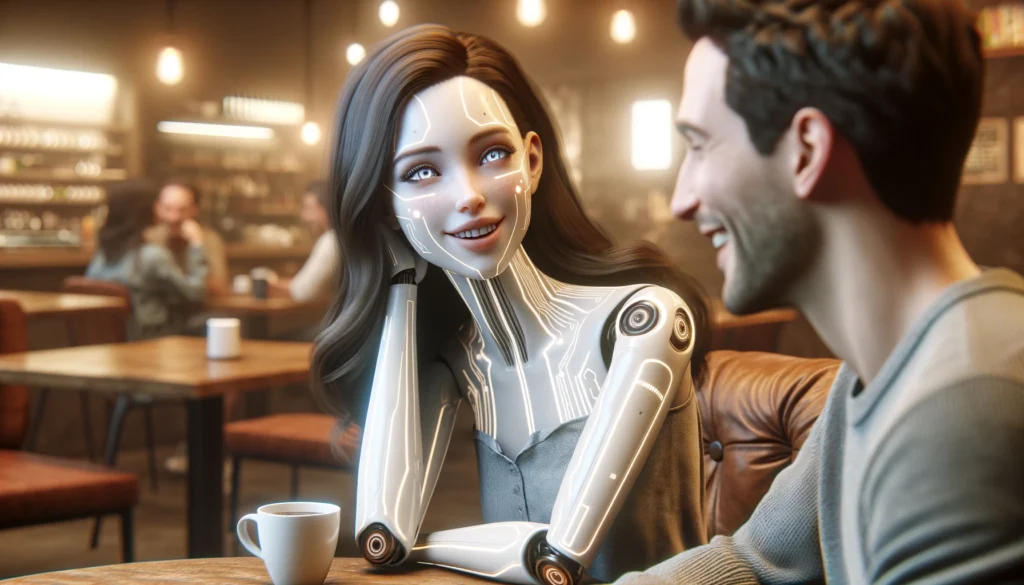
Parallel to this is the rise of AI companion platforms like Replika and Character.AI — applications providing emotional dialogue without human unpredictability. While controversial, user growth suggests unmet demand for low-friction companionship.
3. VR and AR Dating: Immersive Relationship Infrastructure
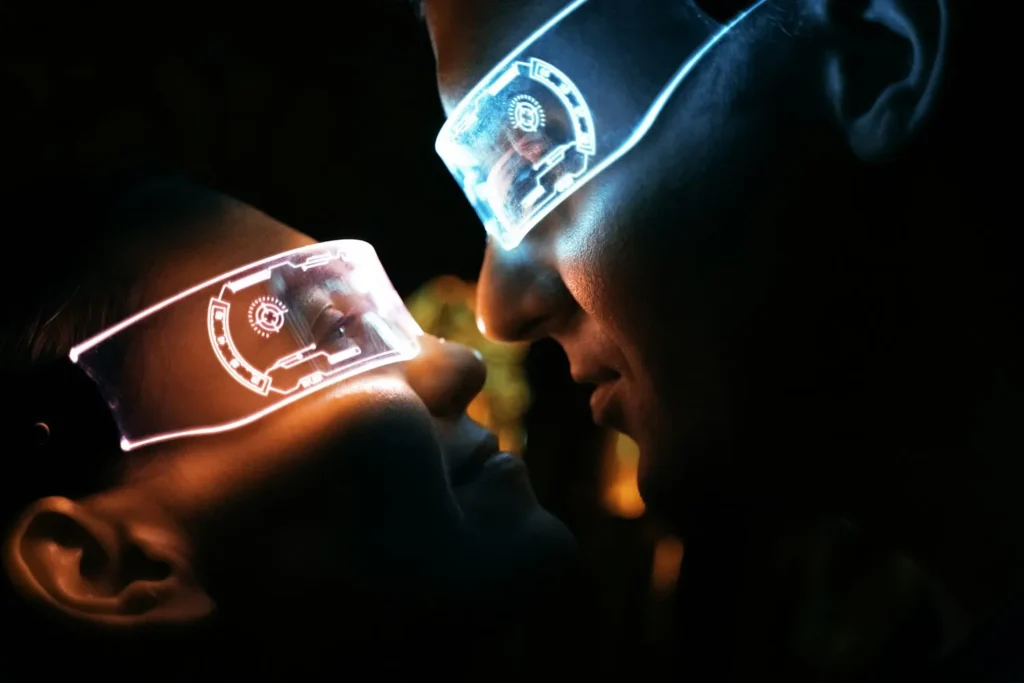
Virtual dating environments have matured beyond novelty demos.
In 2026, couples can:
- Attend virtual concerts
- Explore simulated travel destinations
- Play multiplayer VR games as date nights
- Overlay real-world profiles via AR discovery apps
For long-distance relationships and socially anxious users, immersive environments reduce friction while increasing emotional engagement.
However, a parallel trend has emerged: “AI situationships” — low-commitment virtual relationships with AI personas.
While adoption grows, risks increase:
- Deepfake romance scams
- Emotional dependency
- Unrealistic relational expectations
This creates regulatory and ethical pressure — and opportunity for trust-first startups.
Startup Opportunities in Romantic Tech
The opportunity landscape is multi-layered.
1. Hyper-Personalization Platforms
Build infrastructure that powers:
- Voice-based memory archives
- AI timeline generators for couples
- Shared milestone vaults
- Relationship health analytics
There is whitespace in verticalized personalization — especially where wellness data integrates with emotional metrics. However, founders must proceed carefully. As discussed in our analysis of AI girlfriends and the emerging mental health crisis, emotional AI products can create psychological dependencies if not designed responsibly. The next generation of romantic tech must balance personalization with ethical safeguards.
2. Experiential Gifting
The shift is from objects to moments.
High-potential areas include:
- AI-generated interactive love stories
- VR adventure kits
- Serialized romantic audio experiences
- Dynamic digital keepsakes
This intersects with the $2B+ digital romance content ecosystem.
Founders should think beyond commerce — toward emotional storytelling as a subscription layer.
3. Ethical AI Companionship
AI companion app growth (700% in three years) demonstrates explosive demand. But the category lacks:
- Transparency standards
- Psychological safeguards
- Clear consent frameworks
- Data protection assurances
A founder who prioritizes ethical AI architecture could define the category’s next phase.
Marketing Strategy: Winning Valentine’s 2026
Romantic tech monetization peaks seasonally. Precision timing matters.
1. Interactive Quizzes for Data Capture
Deploy:
- “Find Your Partner’s Love Language” tools
- “What’s Your Relationship Type?” diagnostics
- Smart gift recommendation engines
Benefits:
- High engagement
- Email capture
- Segmentation data
- Retargeting infrastructure
Conversion lift is measurable and scalable.
2. Limited-Edition Drops
Scarcity marketing remains powerful.
Examples:
- AI-customized smart rings
- Limited VR romance experiences
- Personalized digital love archives
Announce via:
- Email countdowns
- Influencer previews
- Early-access waitlists
Launch window: 10–14 days before February 14.
3. Creator-Led Campaigns
Partner with:
- Tech reviewers
- Relationship coaches
- Mental health advocates
- Self-love influencers
Focus on:
- Unboxing experiences
- Real couple testimonials
- Inclusivity across age and relationship types
The self-love market is expanding alongside traditional couples marketing.
Key Risks and Founder Lessons
1. Trust Is the Product
Romance scams are evolving with:
- Deepfake video
- Synthetic voice cloning
- AI-generated identities
Security architecture must include:
- Identity verification layers
- Deepfake detection
- Data encryption
- Transparent AI disclosures
Without trust, emotional tech collapses.
2. Digital Fatigue Is Real
Hybrid models are rising:
- Offline meet-cutes facilitated by apps
- Local event matchmaking
- Wellness retreats powered by digital discovery
Users want augmentation, not replacement.
3. Demographic Expansion Is Underestimated
Emerging growth pockets:
- “Gray dating” (50+ demographic)
- Inter-ethnic pairing growth
- International relationship platforms
These markets often show higher willingness to pay for premium services.
Strategic Takeaways for Founders
- Emotional data is the new behavioral data.
- Personalization drives monetization.
- Hardware + software integration is the next frontier.
- Ethical AI design is a competitive advantage.
- Hybrid digital-offline ecosystems reduce churn.
Romantic tech in 2026 is not about replacing love. It is about optimizing access to it.
The startups that succeed will not simply build better algorithms. They will build better emotional infrastructure.
Final Word
Romantic technology is transitioning from novelty to necessity. AI, wearables, immersive environments, and smart commerce tools are redefining how people meet, bond, and express affection.
For founders, the question is no longer whether tech will shape love.
It is whether you will build the platform that does.