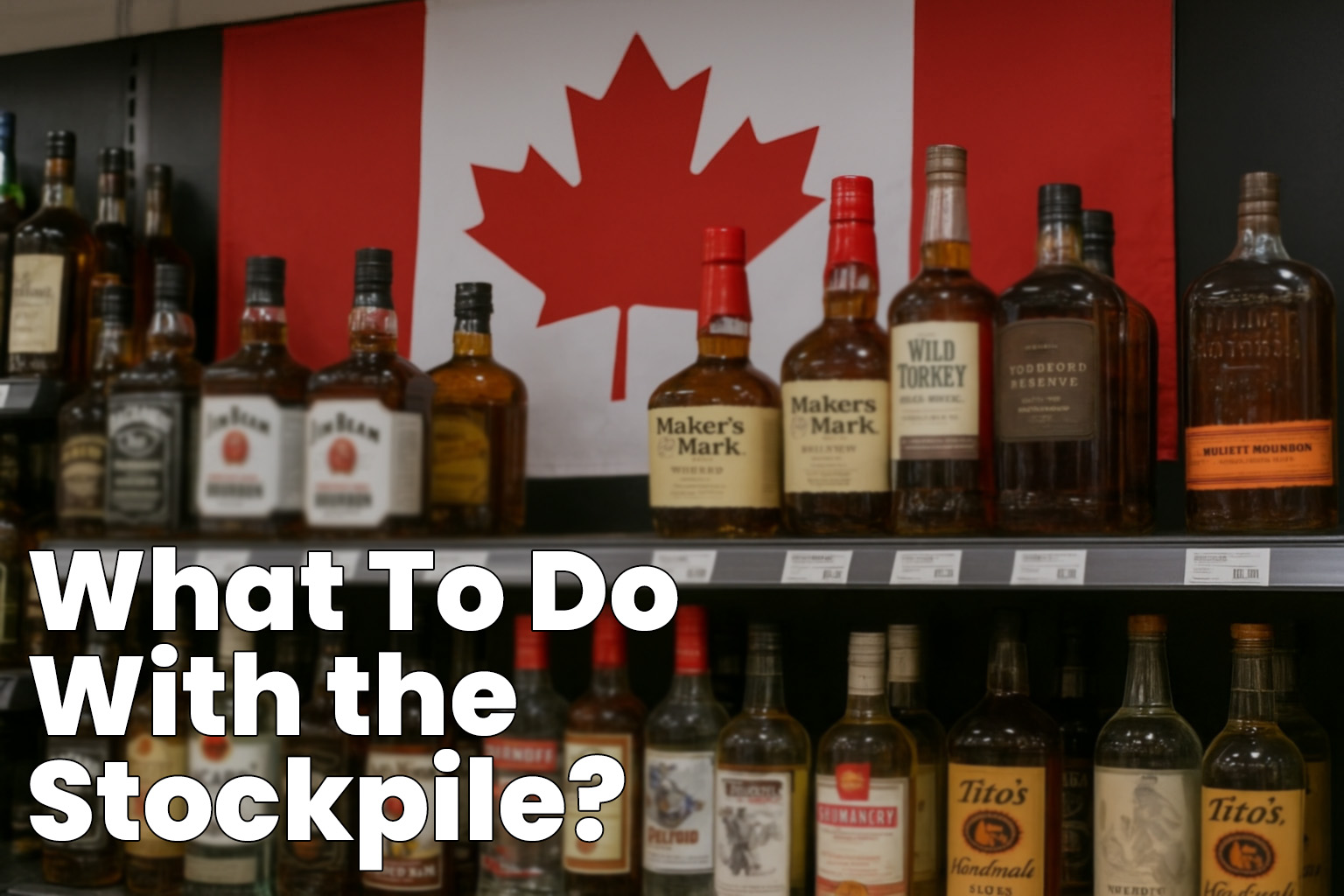

A trade dispute that turned into consumer action
In 2025 a series of tariffs and political clashes between Canada and the United States set off an unusual — and highly publicized — consumer backlash: several Canadian provinces removed American-made alcohol from store shelves, stockpiled imports, and redirected proceeds toward charities. The result has been a dramatic fall in U.S. liquor exports to Canada, visible damage to some U.S. producers, and an accelerated push toward “buy local” behaviour across the country. This trend has shown up in other cross-border tensions as well, such as the patterns described in Canada’s struggle with U.S. trade pressure.
This article explains how the boycott unfolded, why provinces reacted differently, what the economic impact has been on U.S. suppliers and Canadian retailers, and what exporters, retailers and policymakers should plan for next. For broader context, readers can also see our coverage on Buy Canadian movements and political reactions.
What happened — a short timeline
Early 2025: Trade tensions escalate after U.S. tariff announcements and political statements that provoked strong reactions in Canada. Provincial governments and consumers began exploring retaliatory measures, part of the same trend we detailed in Canada–U.S. small business trade disputes.
March–April 2025: Multiple provinces announced they would halt imports or remove U.S. liquor from store shelves; some moved existing stock into storage. The boycott rapidly reduced U.S. spirits sales in Canada.
Mid to late 2025: Provinces took varied approaches — from selling inventory and donating proceeds to charities, to holding stock in storage or continuing limited sales. These divergent strategies reflect the same decentralised trade pressures seen in our analysis of failed bilateral negotiations.
Why provinces reacted — politics, economics, and optics
Canadian provincial responses mixed political signalling with practical economics:
Political signalling: Several provincial leaders framed restrictions on U.S. alcohol as a proportionate, visible response to federal-level trade disputes. This mirrors political posturing outlined in our report on Buy Canadian policies and U.S. tariffs.
Economic considerations: Provinces that control liquor sales (through government liquor boards) have levers to make public, quantifiable decisions (e.g., redirecting proceeds to local food banks). For some provinces the approach was partly humanitarian.
Divergent strategies: Not every province followed the same playbook—Alberta resumed imports earlier, while Ontario retained large inventories in storage. The diversity reflects differing political priorities and exposure to U.S. cross-border trade, a theme connected to Canada’s broader boycott actions.
The economic impact — who’s losing and how much
The boycott produced immediate and measurable consequences. Industry analysis reported double-digit declines in U.S. product movement — aligning with economic indicators seen in other cross-border disputes, such as those documented in our small-business impact analysis.
For U.S. producers — particularly bourbon distillers in Kentucky and certain wine makers — Canada had been a meaningful export market. News reports and financial filings reflected painful revenue declines, with some major brands reporting steep percentage drops within short reporting windows.
Beyond liquor makers, the boycott produced secondary effects:
Retail and hospitality: Some restaurants shifted menus toward domestic or non-U.S. imports, requiring rapid supplier adjustments.
Cross-border tourism: Reduced travel between Canada and the U.S. further weakened incidental alcohol sales — a trend that fits into the ongoing deterioration of bilateral trade ties examined in our deep-dive into failed U.S.–Canada negotiations.
Social and cultural response: from grassroots to government
The boycott was not purely top-down. Consumer sentiment played a major role:
Grassroots buy-local movements: Social campaigns and apps encouraging “Buy Canadian” choices surged. Many cafés and restaurants voluntarily switched to Canadian suppliers. This echoes themes from our analysis of Canada’s buy-local political wave.
Charitable framing: Provinces redirected proceeds toward food banks and community programs — sometimes generating multi-million-dollar impacts. These moves heightened public support while softening geopolitical optics.
Legal, trade and diplomatic implications
The boycott exists at the intersection of provincial autonomy and federal diplomacy:
Trade law risks: Public boycotts can complicate federal-level negotiations and potentially lead to retaliatory actions targeting Canadian exports.
Diplomacy and timing: While the boycott increased Canada’s leverage in public opinion, it also added layers of complexity to national trade discussions — a dynamic similar to the challenges described in Canada’s struggle with U.S. tariff negotiations.
Practical advice for U.S. exporters and Canadian businesses
If you are an exporter, importer, or retailer affected by the boycott, consider these steps:
Diversify market exposure. Explore Europe, Asia, and intra-USMCA markets to avoid reliance on one region.
Short-term inventory management. Evaluate alternate distribution channels or temporarily adjust export strategy.
Public communications. Communicate menu or supply changes early to maintain trust with retail and hospitality clients.
Leverage charitable framing. Partnership opportunities may help maintain goodwill during politically sensitive periods.
For more operational insights, see how similar shifts impacted small businesses in our U.S.–Canada trade impact report.
What this episode tells us about modern trade dynamics
The 2025 boycott highlights several structural realities in North American trade:
Trade is increasingly political. Consumer sentiment can amplify federal disputes.
Non-tariff levers matter. Provinces used procurement and shelf-access restrictions — classic non-tariff tools — to influence outcomes.
Brands are vulnerable to geopolitics. Consumer brands must prepare for political shocks, a theme that recurs in our coverage of U.S.–Canada trade failures.
Conclusion — a pause or a turning point?
Canada’s 2025 boycott of U.S. alcohol is more than a consumer-level protest: it shows how trade disputes can influence everyday markets and how provinces and consumers can shape geopolitical outcomes.
As diplomatic relations evolve, some effects may fade — but consumer habits and supply-chain changes could persist.
For businesses on both sides of the border, the takeaway is clear: diversify, plan for political volatility, and treat distribution strategy as a core component of modern risk management.
For additional context on how political and trade tensions are shaping North America, explore our related analysis:
Canada’s Buy Canadian political movement
U.S.–Canada trade deal breakdown analysis
How boycotts are hurting U.S. small businesses