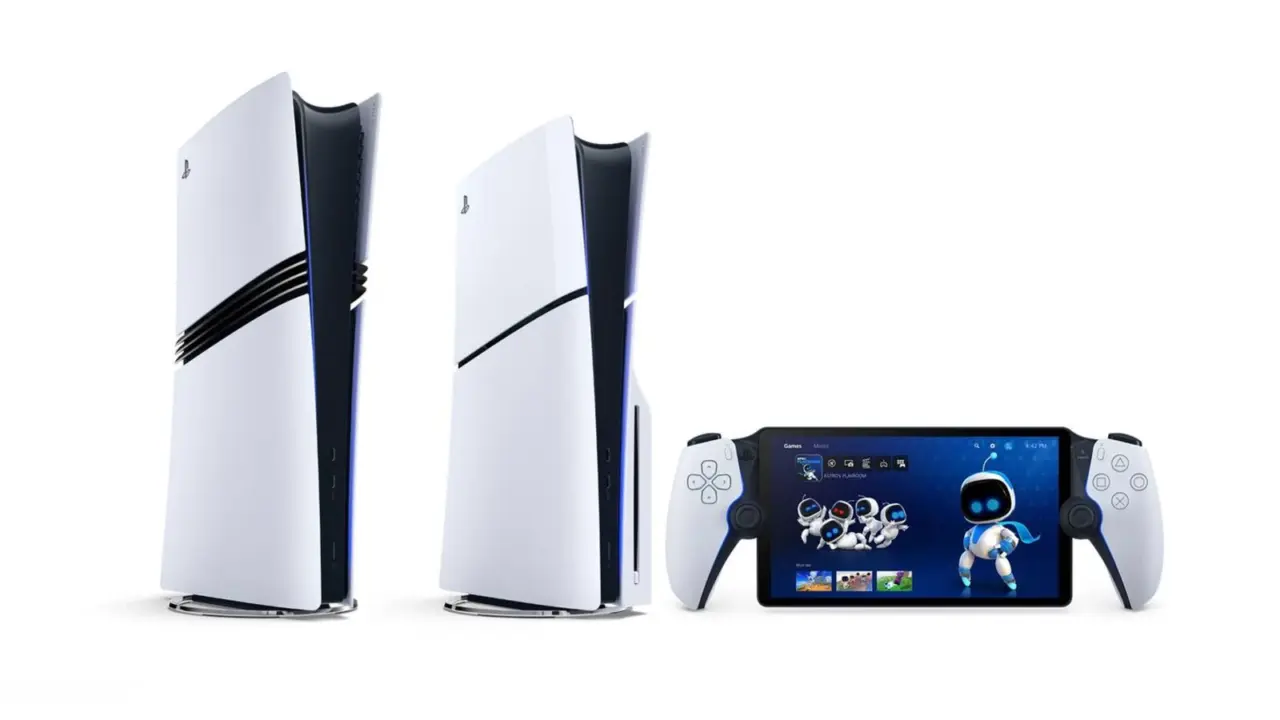

For decades, console pricing followed a predictable curve: launch high, then gradually drop. In 2026, that model is officially broken.
Sony has increased PlayStation 5 prices again—this time significantly across the United States, with ripple effects in Canada. But this isn’t just a pricing adjustment. It’s a symptom of a much larger structural shift driven by AI, semiconductor economics, and global resource allocation.
📈 PS5 Price Hike (2026): US vs Canada
🇺🇸 United States (Official Sony Pricing)
| Model | Old Price (USD) | New Price (USD) | Increase |
|---|---|---|---|
| PS5 (Standard) | $549.99 | $649.99 | +$100 |
| PS5 Digital | $499.99 | $599.99 | +$100 |
| PS5 Pro | $749.99 | $899.99 | +$150 |
| PS Portal | $199.99 | $249.99 | +$50 |
🇨🇦 Canada (No official Sony Canada MSRP release)
| Model | Old Price (CAD) | New Price (CAD) | Increase |
|---|---|---|---|
| PS5 (Standard) | $649.99 | $819.99 | +$170 |
| PS5 Digital | $599.99 | $749.99 | +$150 |
| PS5 Pro | $949.99 | $1,099.99 | +$150 |
| PS Portal | $269.99 | $319.99 | +$50 |
Key detail: Sony did not formally publish Canadian MSRPs. These prices are derived from major retailers—highlighting how pricing control is increasingly shifting from manufacturers to market forces under supply pressure.
🎮 Why Are PS5 Prices Going Up in 2026?
Sony cites “global economic pressures.” That explanation is technically correct—but incomplete.
The real driver sits at the intersection of AI demand and memory supply constraints.
1. The AI Memory War Is Real

As detailed in your IMFOUNDER analysis (The Great RAM Squeeze), AI infrastructure is consuming unprecedented amounts of:
- DRAM (high-speed memory)
- NAND storage
- Advanced semiconductor capacity
Hyperscale data centers are now the highest-paying customers for chipmakers. Naturally, supply is being redirected.
Result:
- Less memory available for consumer electronics
- Higher component costs for consoles
- Price increases passed directly to consumers
2. Profit Optimization Is Reshaping the Industry
Semiconductor manufacturers are no longer optimizing for volume—they are optimizing for margin per wafer.
- AI chips → higher margins
- Gaming hardware → lower margins
This creates a structural imbalance:
Consumers are no longer the priority—they are the overflow market.
Sony isn’t acting in isolation. It’s reacting to upstream pressure from suppliers who are making record profits selling into the AI boom.
3. The Death of Affordable Gaming Hardware
Let’s put this in perspective:
- PS4 launch price: $399
- PS5 launch price: $499
- PS5 Pro (2026): $899 USD / $1,099 CAD
That’s not a typical generational increase—that’s a category shift.
Gaming consoles are moving from mass-market electronics to premium hardware.
Consumers Are Funding the AI Boom
Here’s the uncomfortable reality:
- AI companies are paying top dollar for memory
- Suppliers prioritize them
- Hardware companies face higher costs
- Consumers absorb the difference
This isn’t just inflation—it’s resource reallocation at a global scale.
The Environmental Cost No One Talks About

As explored in your second IMFOUNDER piece (AI Data Centers: Carbon Emissions & Water Consumption Crisis), the AI boom is not just economic—it’s environmental.
AI infrastructure requires:
- Massive energy consumption
- Water-intensive cooling systems
- Expanding data center footprints
This creates a dual burden:
Consumers are paying more for devices…
while the systems driving those costs are increasing environmental strain.
Are Companies Exploiting the Situation?
“Milking” may sound harsh—but the incentives are clear.
- Memory companies are posting record margins
- AI demand guarantees long-term contracts
- Consumer markets have limited negotiating power
Sony, like others, is passing costs downstream—but the upstream ecosystem is where margins are expanding the most.
How Does This End?
This trajectory is not sustainable. Several outcomes are possible:
1. Supply Expansion (Slow Fix)
New semiconductor fabs may ease pressure—but timelines stretch into late decade (2028–2030).
2. AI Efficiency Breakthroughs
If AI models become less memory-intensive, demand pressure could stabilize.
3. Consumer Resistance
If gamers delay purchases:
- Sales decline
- Pricing strategies may be forced to adjust
4. Platform Shift
Rising hardware costs could accelerate:
- Cloud gaming adoption
- PC ecosystem growth
- Subscription-first gaming models
🧠 Final Take: This Is Bigger Than PlayStation
The PS5 price hike is not an isolated event—it’s a leading indicator.
It signals a future where:
- AI dictates supply chains
- Consumers lose pricing power
- Hardware affordability becomes uncertain
And perhaps most importantly:
Gaming is becoming collateral damage in the global AI arms race.