
Apple’s influence over the global technology landscape is unmatched. From the iPhone that redefined mobile computing to macOS that powers millions of creators and professionals, Apple has built its reputation on polish, reliability, and an ecosystem that “just works.”
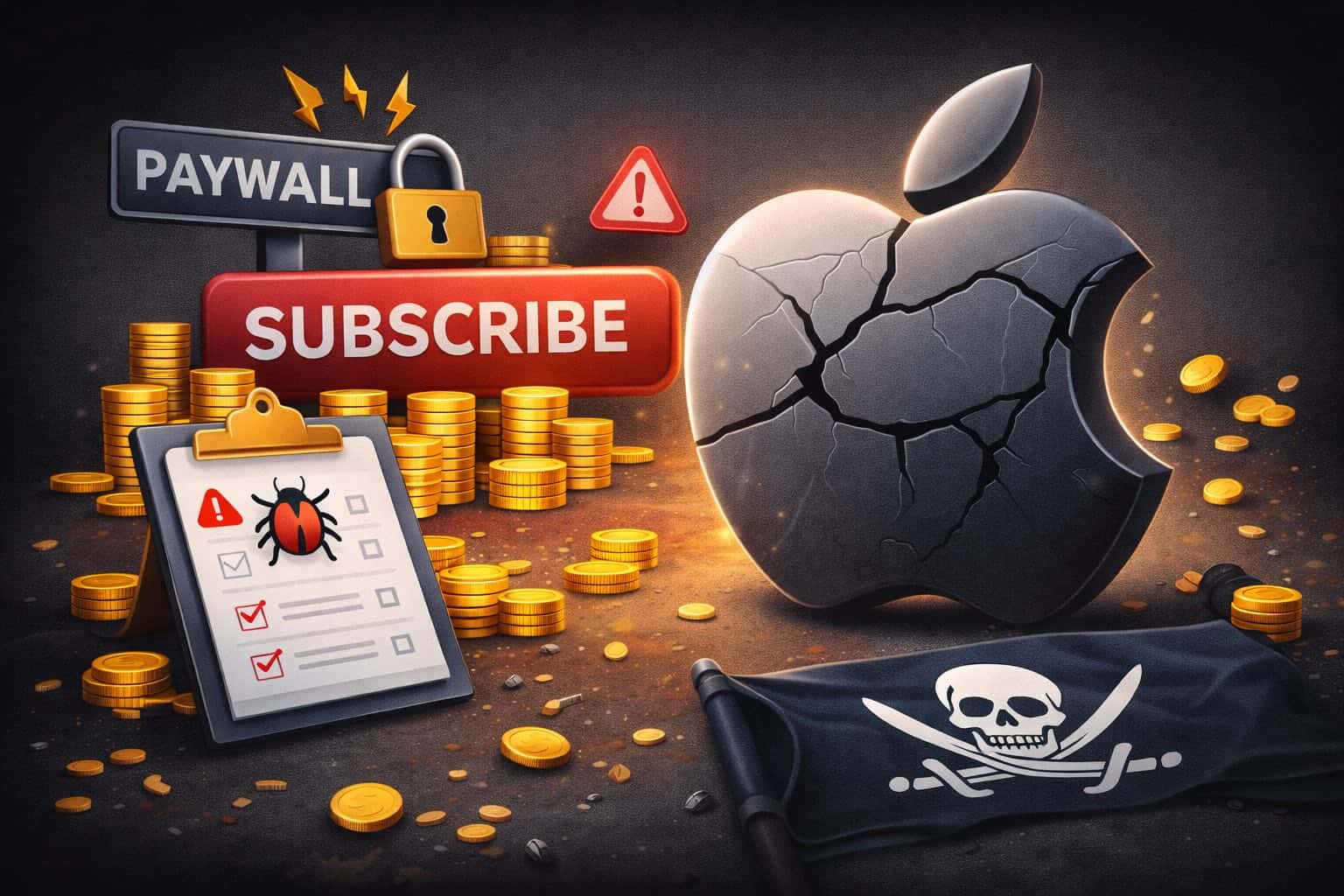
But in 2026, a worrying pattern is emerging: Apple is increasingly placing formerly free productivity tools and features behind subscription paywalls while longstanding bugs and quality issues remain unresolved. This strategy may boost short-term revenue, but it comes at a real cost: consumer trust, fairness, and long-term ecosystem health.
This article unpacks why Apple’s subscription approach feels like greed rather than innovation — and how it risks encouraging piracy, similar to patterns seen in media streaming.
1. The Shift From Free to Paid: Creator Studio as a Case Study
Apple’s new Creator Studio subscription bundles premium features for apps like Final Cut Pro, Logic Pro, Pixelmator Pro, and advanced tools in Keynote, Pages, and Numbers. What’s notable is not just the price — it’s the philosophy behind it.
For years, Apple offered productivity apps such as Pages, Numbers, Keynote, and Freeform completely free with macOS and iOS. These tools were part of Apple’s baseline ecosystem value. Now, by placing advanced features behind a recurring fee, Apple signals a shift from accessibility to monetization.
This may seem logical from a revenue perspective — services subscriptions are a major growth engine for Apple’s business — but it also fundamentally changes the user experience. Long-time users feel like features they once enjoyed without incremental cost are now being monetized, not because of innovation, but because the revenue model changed.
2. Bugs and Quality Issues Remain Unfixed
What frustrates many Apple users is not simply the rise of new subscriptions — it’s the growing perception that monetization is accelerating while software reliability is falling behind. Across macOS and iOS, users continue to report Apple software bugs, iCloud sync failures, inconsistent app performance, and system regressions after major OS updates.
These concerns extend beyond isolated incidents. Even Apple’s flagship mobile platform has faced scrutiny. The rollout of iOS 26 was widely criticized for shipping with persistent iOS update problems that required multiple emergency patches, raising serious questions about Apple’s internal quality control and release pipeline. A detailed breakdown of those issues and Apple’s response is available here:
👉 https://imfounder.com/science-tech/ios-26-bugs-apple-disaster-2025/
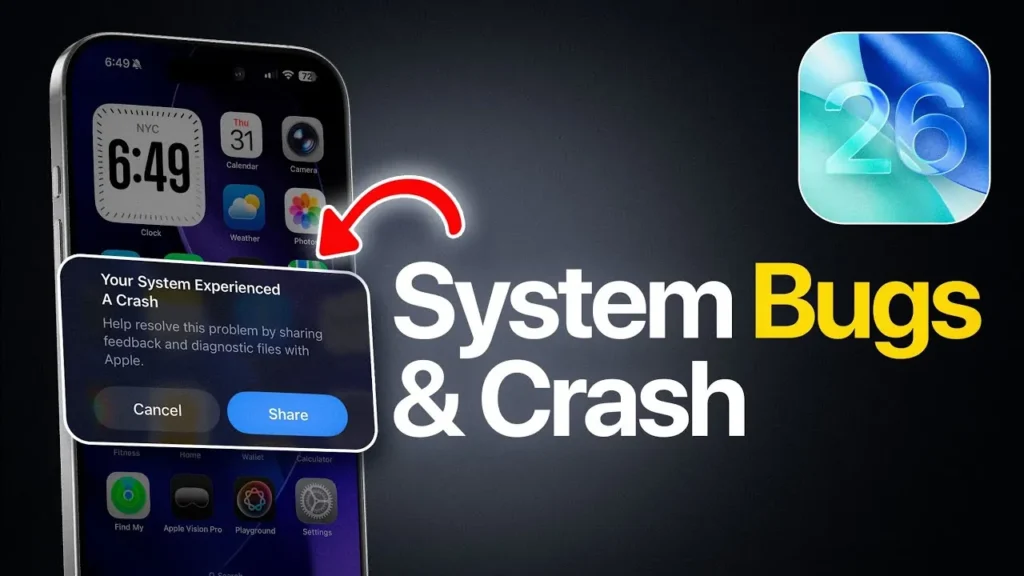
For professionals and everyday users alike, this creates a widening trust gap: new paid features and subscription layers are being introduced on top of platforms that still struggle with macOS stability issues and unresolved core app bugs. When long-standing reliability problems remain unfixed, even Apple’s premium positioning begins to feel harder to justify.uality. When that standard slips, users notice — and they vocalize it.
3. Unfairness to Consumers
This pattern disproportionately impacts regular users:
- Students and educators who used Keynote/Pages for school projects now face recurring fees for advanced assets and AI-powered templates.
- Creators and freelancers who bought standalone versions of pro apps now see paid subscription alternatives marketed more heavily, even as existing product bugs remain.
- Long-time Apple ecosystem members feel penalized for loyalty, paying twice for functionality that once came included.
There’s a real sense among users that they aren’t being offered choice — they’re being pushed into a monetized ecosystem that turns features into recurring revenue streams.
4. Privacy and Subscription Fatigue
Apple’s privacy messaging has long set it apart from competitors, creating the impression that the company prioritizes user interests. Yet subscriptions layered on top of previously free tools can feel contradictory to that promise. When users begin to see their devices as a source of ongoing revenue extraction rather than empowerment, it weakens the trust Apple has cultivated over years.
Add in subscription fatigue — a well-documented trend where users grow tired of managing and paying for multiple recurring fees — and Apple’s strategy starts to look less like consumer empowerment and more like revenue maximization at the expense of user goodwill.
5. The Piracy Risk: A Parallel With Streaming Wars
Your earlier article on the resurgence of piracy highlighted a key economic driver: fragmented, expensive subscription services pushed users toward unauthorized options.
👉 https://imfounder.com/entertainment/piracy-back-canada-us-uk-streaming-wars/
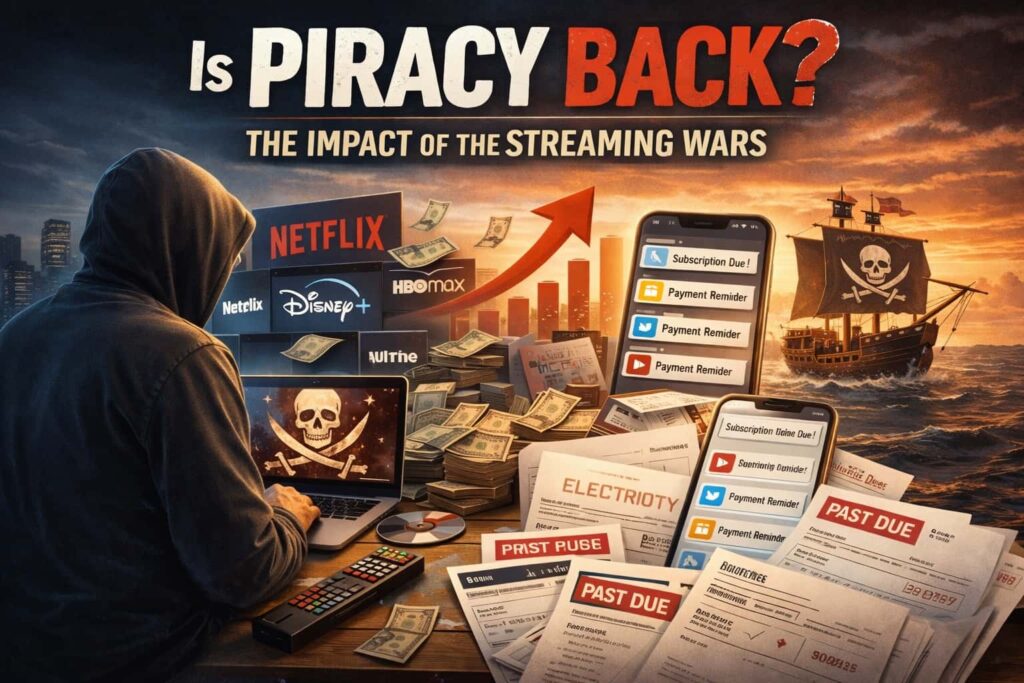
The lesson there applies here:
When legitimate access becomes costly, restrictive, or frustrating, some users may seek illicit alternatives — not because they want to pirate, but because they feel priced out or undervalued by the official ecosystem.
Apple’s ecosystem is more closed than streaming media platforms, but the psychological pattern is similar:
- Subscription costs stack up over time
- Users perceive diminishing marginal return
- Frustration grows due to unresolved product issues
- Loyalty erodes
While piracy of macOS apps or productivity tools is a different legal and technical issue than pirated movies, the same economic pressures apply. Users historically dissatisfied with subscriptions often turn to forums, cracks, or shared accounts — a trend that can only grow if perceived value continues to lag.
6. Strategic Greed or Short-Sightedness?
Critics argue that Apple’s recent moves reflect short-term greed:
- Monetizing products that were once ecosystem perks
- Prioritizing revenue growth over software quality
- Ignoring user frustration around persistent bugs
From Apple’s financial perspective, services revenue is a major pillar supporting valuation growth. But from a consumer perspective, charging for unresolved experiences feels like charging for workarounds instead of solutions.
A company with Apple’s resources should be:
- Fixing long-standing bugs proactively
- Prioritizing stability alongside new features
- Rebalancing the “free vs premium” threshold in a way that feels fair and consistent with user expectations
Instead, many users feel like they’re paying for potential improvements while enduring existing problems.
7. A Larger Industry Moment
Apple’s strategy is not happening in isolation. Big Tech across the board is trending toward subscription ecosystems as a revenue model:
- Streaming fragmentation drove piracy resurgence (your earlier analysis)
- Office software and pro tools shifted to subscription first
- Developers increasingly favor recurring revenue models
But Apple’s brand was built on premium experiences delivered delightfully, not premium fees for partial improvements.
Users notice when:
- Something that used to be free becomes paid
- Bugs get bumped down the priority list
- Subscription fatigue outweighs perceived value
8. What This Means for Consumers
Short-term:
Some users will subscribe because they need advanced workflows. Apple’s ecosystem does offer world-class tools.
Medium-term:
Subscription fatigue will grow, especially among students, freelancers, and indie creators who rely on Apple’s tools but feel squeezed by costs.
Long-term:
If Apple doesn’t fix core quality issues while expanding paid tiers, users may:
- Reduce loyalty
- Consider non-Apple alternatives
- Seek unauthorized copies or alternative ecosystems
That’s not just unfair to consumers — it’s strategically risky for Apple.
9. Conclusion: A Tipping Point for Apple’s Reputation
Apple’s move into subscription monetization — especially when it involves tools that were once free — should be evaluated not just as a business strategy, but as a consumer relations issue.
When users feel:
- Products they relied on degrade in quality
- Subscriptions arrive before core problems are fixed
- Previously included features become gated behind fees
They stop feeling valued. And when that happens, even Apple’s famously loyal user base may begin to look elsewhere.
The company must decide whether it wants to be known primarily for premium hardware and smooth experiences, or premium subscription pricing with uneven product polish.
If it continues down the latter path without addressing these foundational problems, Apple risks losing the very trust that made it great — and ironically, pushing its most dedicated users toward the same pain points that drove piracy in other industries.