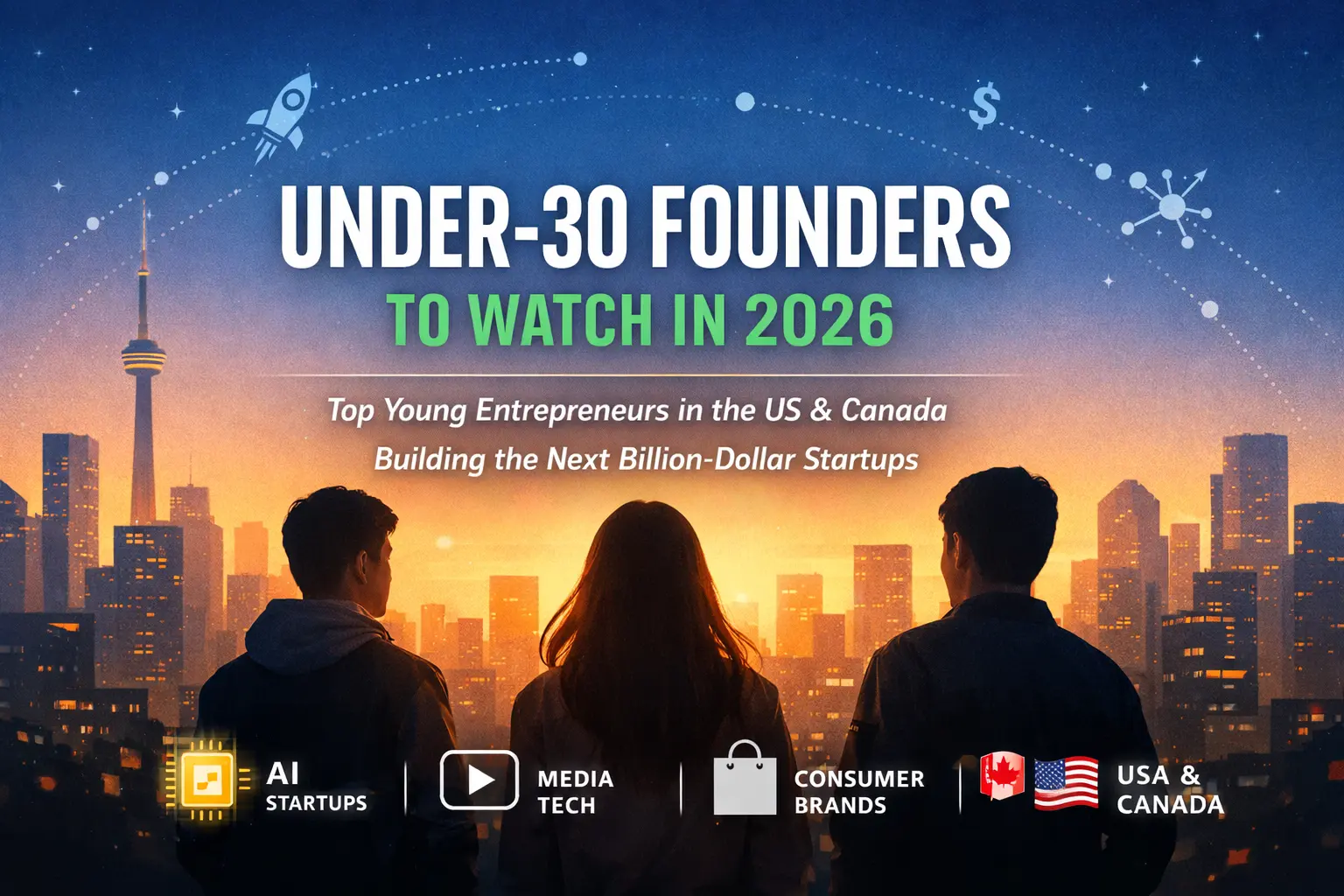

The next generation building billion-dollar companies before 30
In 2026, the center of gravity in entrepreneurship has shifted decisively toward Gen Z and young millennial founders. According to recent data from Forbes, nearly 50% of “30 Under 30” founders are Gen Z, and collectively they’ve helped raise over $3.6 billion in funding—a signal that investors are aggressively backing young builders with outsized ambition. (Forbes Australia)
What stands out is not just age—but speed. These founders are building AI companies, creator economies, fintech platforms, and consumer brands at a pace that previously took decades.
Here are 10 under-30 founders in the United States and Canada to watch in 2026, selected for impact, growth trajectory, and category disruption.
1. Brendan Foody (USA)
Co-founder, Mercor

At just 20-something, Brendan Foody is redefining hiring with AI. Mercor connects companies with talent that trains AI systems—effectively building the labor layer behind the AI boom.
- Became one of the youngest self-made billionaires in 2025 (Wikipedia)
- Dropped out of college to scale the company
- Riding the surge in AI infrastructure demand
Why it matters: Mercor sits at the intersection of AI + labor markets, one of the most valuable frontiers of this decade.
2. Adarsh Hiremath (USA)
Co-founder & CTO, Mercor
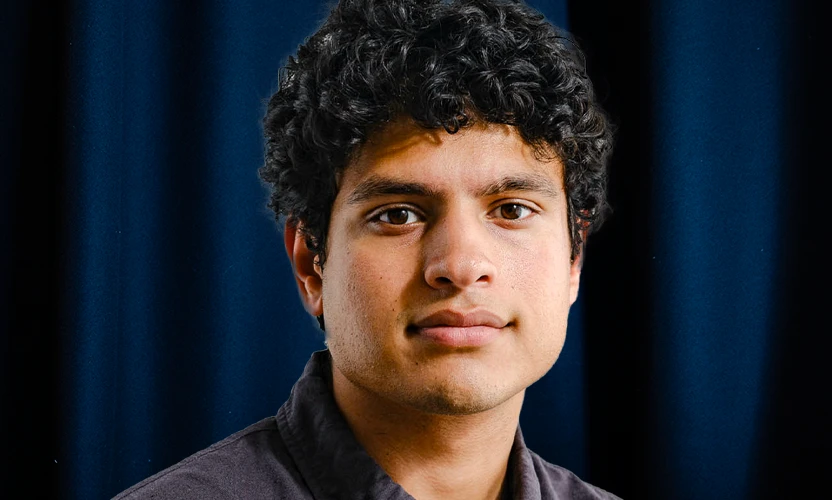
A technical force behind Mercor, Hiremath built the AI systems powering automated hiring and talent matching.
- Developed AI-driven interview systems
- Focused on global talent arbitrage
Why it matters: His work reflects a broader trend—AI replacing traditional HR workflows entirely.
3. Surya Midha (USA)
Co-founder, Mercor
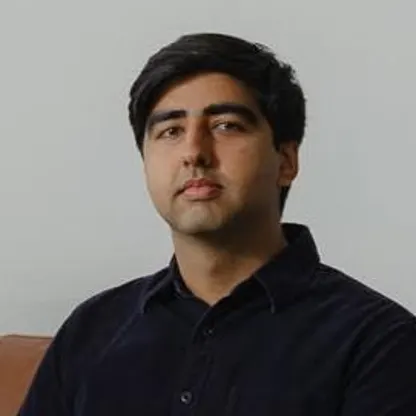
Completing the trio, Midha brings product and strategy expertise to one of Silicon Valley’s fastest-scaling startups.
- Built Mercor from a high-school project to a unicorn
- Backed by elite Silicon Valley networks
Why it matters: The Mercor founders collectively represent a new archetype: teen founders → billion-dollar AI startups.
4. Aidan Gomez (Canada)
Co-founder, Cohere
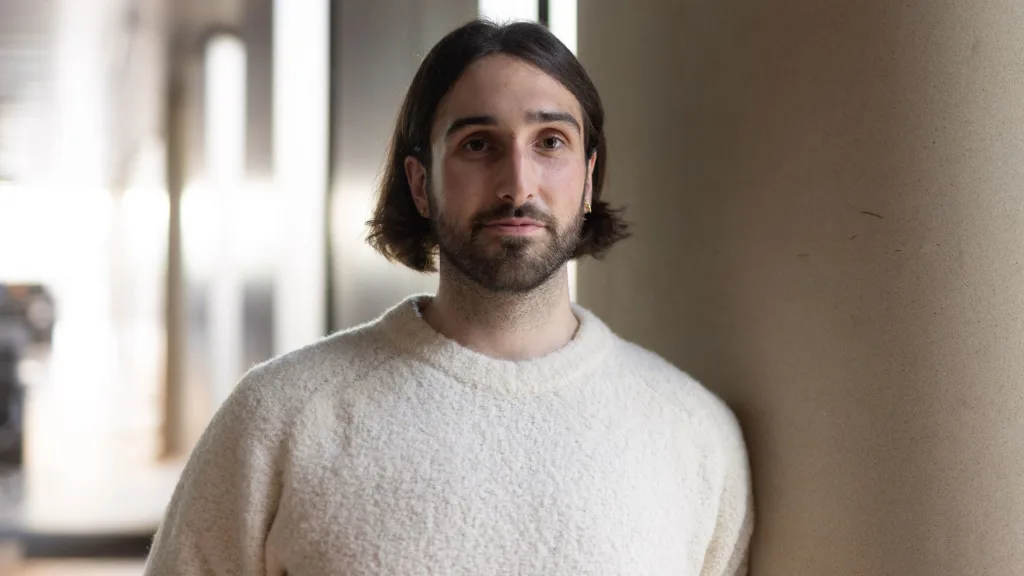
Aidan Gomez is one of the most influential young minds in AI—co-author of the transformer architecture paper that powers modern AI systems.
- Built Cohere into a $940M+ backed AI company (Forbes Australia)
- Competes directly with OpenAI and Anthropic
- Focused on enterprise AI infrastructure
Why it matters: He’s not just building startups—he helped invent the technology behind them.
5. Demi Guo (USA)
Co-founder, Pika

Guo is building tools that turn text into cinematic video—pushing AI into Hollywood territory.
- Company valued at ~$470M (Forbes Australia)
- Enables creators to generate VFX-level content instantly
Why it matters: AI video could disrupt film, gaming, and social media simultaneously.
6. Swish Goswami (Canada)
Founder & CEO, Surf
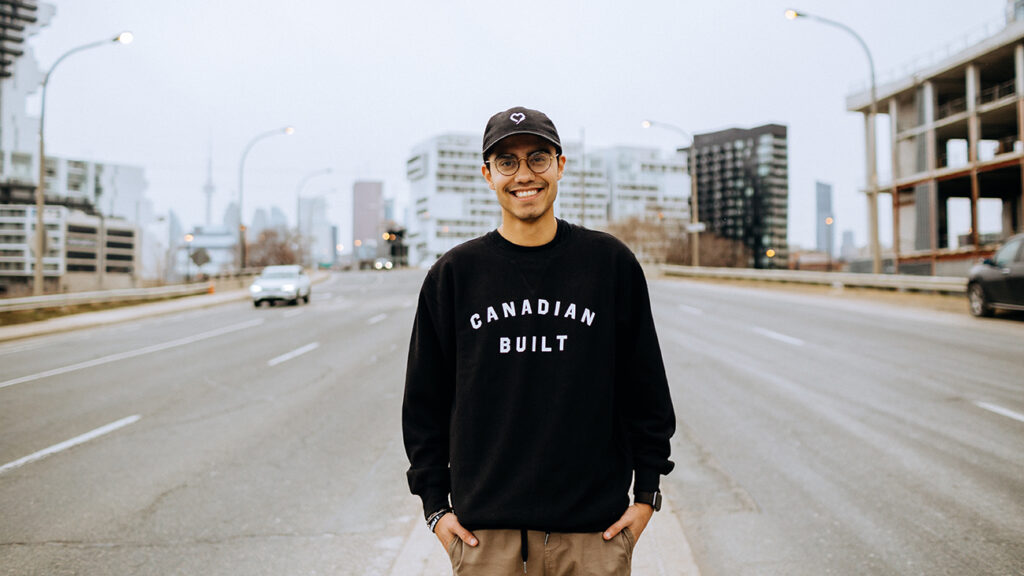
A Gen Z voice in tech, Goswami is building a platform where users get rewarded for their data.
- Raised early-stage funding and built strong user traction
- Advocates for ethical data ownership
Why it matters: In a privacy-first era, Surf flips the model—users, not platforms, monetize data.
7. Fatima Zaidi (Canada)
Founder, Quill Inc.
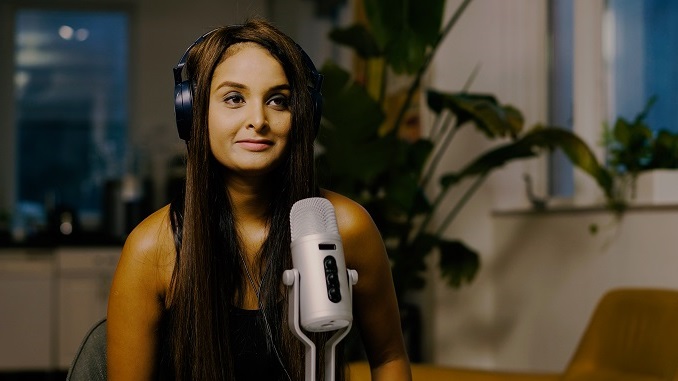
Zaidi is building the infrastructure behind branded podcasting.
- One of Canada’s fastest-growing media startups
- Helps companies scale audio storytelling
Why it matters: As attention shifts from text to audio, Quill is positioning itself as the “content engine” for brands.
8. Braden Ream (Canada)
CEO, Voiceflow

Voiceflow enables companies to build conversational AI products without heavy coding.
- Used by brands like Spotify and major banks (Inspiring Canadians)
- Raised significant venture funding
Why it matters: Voice interfaces are becoming standard—and Voiceflow is the “Figma for AI conversations.”
9. Francesca Albo (Canada)
Co-founder, Puppy Sphere

A non-tech disruptor, Albo built a viral wellness brand blending experiences and social media.
- Generates $5M+ annually across 14 cities (Canada’s Young Entrepreneurs)
- Partnered with major brands like Google
Why it matters: Shows that experience-driven consumer startups can scale just as fast as SaaS.
10. Jake Karls (Canada)
Co-founder, Mid-Day Squares

Karls turned a kitchen experiment into a retail powerhouse.
- Products sold in 10,000+ stores across North America (Forbes)
- Known for bold, transparent marketing
Why it matters: A case study in brand-first startups beating incumbents.
Key Trends Defining Under-30 Founders in 2026
1. AI-Native Startups Are Dominating
From Mercor to Cohere, the most valuable startups are AI-first, not AI-enabled.
2. College Is Optional
Multiple founders dropped out or bypassed traditional paths—execution > credentials.
3. Creator Economy Meets Tech
Startups like Pika and Quill show the blending of media, AI, and monetization.
4. Canada Is Punching Above Its Weight
Toronto, Montreal, and Vancouver are emerging as AI and startup hubs, rivaling U.S. ecosystems.
Final Take
The under-30 founders of 2026 are not “future potential”—they are current market leaders.
They are:
- Building billion-dollar companies before 30
- Redefining industries from hiring to entertainment
- Leveraging AI as a foundational layer
If the last decade belonged to Big Tech, this decade may belong to young, fast, AI-native founders.