




Explosive Tech News June 2026 is proving that the technology industry has entered a new era—one where artificial intelligence, cybersecurity, infrastructure, regulation, and public markets are colliding at unprecedented speed.
In just a few days, we witnessed a U.S. state launch a historic lawsuit against OpenAI, Alphabet announce an $80 billion AI funding plan, Anthropic move toward a public offering, Nvidia expand its ambitions beyond GPUs, hackers exploit AI-powered customer support systems, and even SpaceX warn investors about water scarcity.
Here are the seven biggest stories every founder, investor, entrepreneur, and technology enthusiast should be watching.
1. SpaceX Warns Investors That Water Scarcity Is Now an AI Risk

For years, AI conversations revolved around chips, computing power, and electricity.
Now, SpaceX has introduced a new concern into the equation: water.
In an amendment to its IPO filing, the company warned investors that access to water is becoming a critical factor for operating and expanding large-scale AI infrastructure. Modern data centers require significant cooling, and cooling systems consume vast quantities of water. SpaceX specifically cited droughts, water scarcity, local competition for resources, and regulatory restrictions as potential threats to future growth.
The disclosure highlights a growing reality that many governments and technology companies have been reluctant to discuss publicly: the AI boom is not only a compute challenge but also a resource challenge.
Why It Matters
- AI infrastructure requires enormous cooling capacity.
- Water access is becoming a strategic business risk.
- Future AI expansion may depend on environmental and regulatory approvals as much as technological innovation.
2. Florida Launches Historic Lawsuit Against OpenAI and Sam Altman
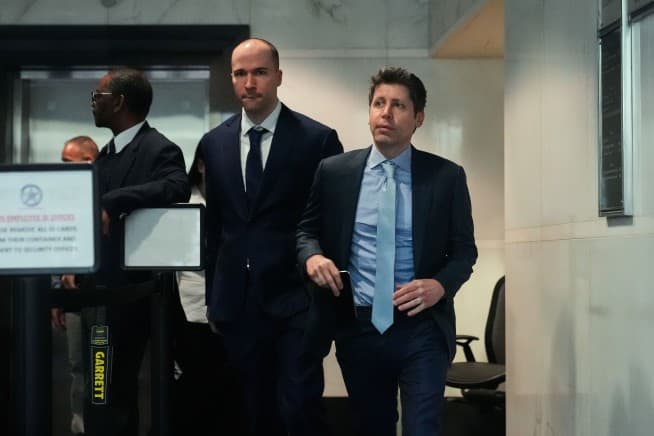
In what may become one of the most consequential AI legal battles ever, Florida has become the first U.S. state to sue OpenAI and CEO Sam Altman directly.
The lawsuit alleges that ChatGPT contributed to harmful incidents, including violence involving users, while accusing OpenAI of prioritizing growth over safety. Florida Attorney General James Uthmeier claims the company ignored warnings and released a product that posed risks to users, especially minors.
OpenAI has denied responsibility for the incidents referenced in the lawsuit and maintains that its systems include extensive safety measures.
Why It Matters
- First state-level lawsuit targeting a major AI company.
- Could establish legal precedents for AI accountability.
- May trigger additional actions from other states and regulators.
3. Alphabet Is Raising $80 Billion for the AI Arms Race
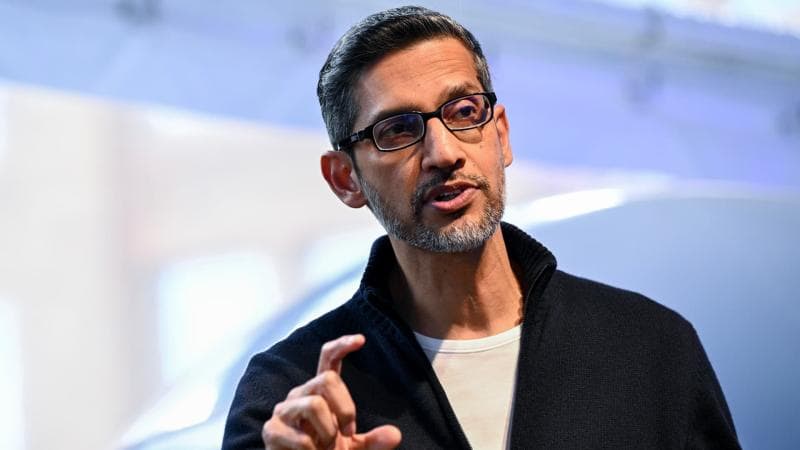
The AI infrastructure race is becoming one of the largest capital spending cycles in technology history.
Alphabet announced plans to raise $80 billion through a stock offering to fund massive investments in AI infrastructure, compute capacity, and global data center expansion. According to the company, demand for AI services is exceeding available supply.
The announcement underscores how AI is transforming from a software story into an infrastructure story.
Major technology firms are no longer competing merely on products. They are competing on who can build the largest and most powerful computational networks.
Why It Matters
- AI investment is reaching historic levels.
- Infrastructure spending is becoming a competitive advantage.
- The gap between AI leaders and laggards may widen significantly.
4. Nvidia Wants a Piece of the $200 Billion CPU Market
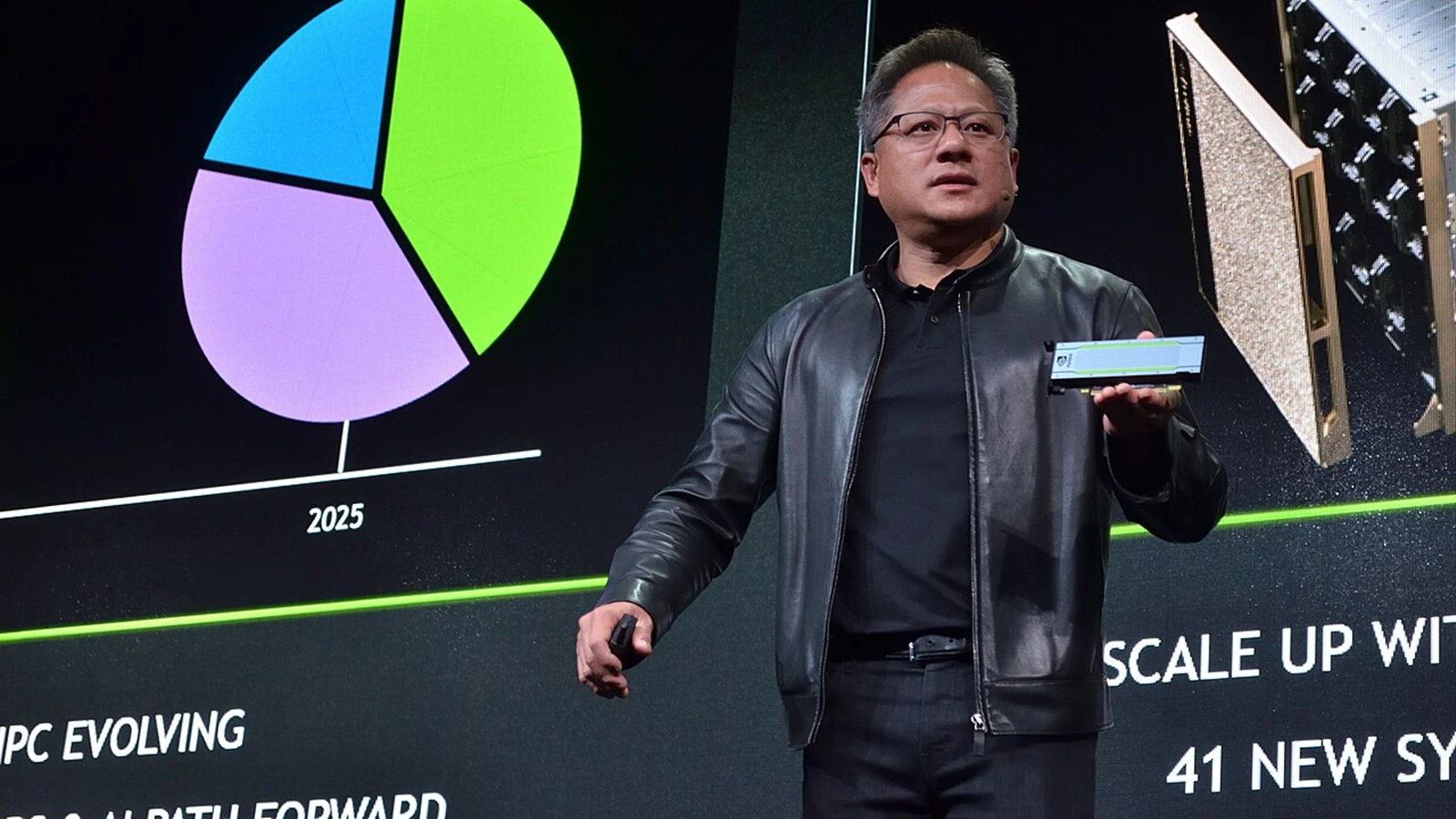
Nvidia has already conquered much of the AI accelerator market.
Now it wants the CPU market too.
The company is pushing AI-powered personal computers through partnerships with Microsoft, Dell, and HP, aiming to create “AI Agent PCs” capable of running advanced AI workloads locally rather than entirely in the cloud.
This strategy could fundamentally change personal computing by turning PCs into autonomous AI workstations.
Why It Matters
- AI shifts from cloud-only to local devices.
- Nvidia expands beyond GPUs.
- PC manufacturers gain a new growth opportunity.
5. Anthropic Quietly Files for an IPO

While OpenAI dominates headlines, Anthropic may be making the most important financial move in AI.
The company behind Claude has confidentially filed for an initial public offering. The filing comes shortly after a major funding round that reportedly valued the company at approximately $965 billion.
If successful, the IPO would become one of the largest and most closely watched technology offerings in history.
Why It Matters
- Investors could soon gain direct exposure to a leading AI company.
- The IPO would test public market appetite for AI valuations.
- Competition between Anthropic and OpenAI is entering a new phase.
6. Hackers Exploit Meta’s AI Support Systems to Hijack Instagram Accounts

One of the week’s most alarming cybersecurity stories involved hackers reportedly manipulating AI-powered support systems to gain unauthorized access to Instagram accounts.
The incident demonstrates a growing cybersecurity challenge: attackers are increasingly targeting AI systems themselves rather than traditional software vulnerabilities.
As businesses automate customer service, account recovery, and support operations using AI, these systems may become attractive attack vectors.
Why It Matters
- AI-powered customer support introduces new security risks.
- Social media platforms face increasing identity threats.
- Organizations must rethink AI governance and access controls.
7. The “This Is Fine” Creator Reaches Agreement With AI Startup Artisan
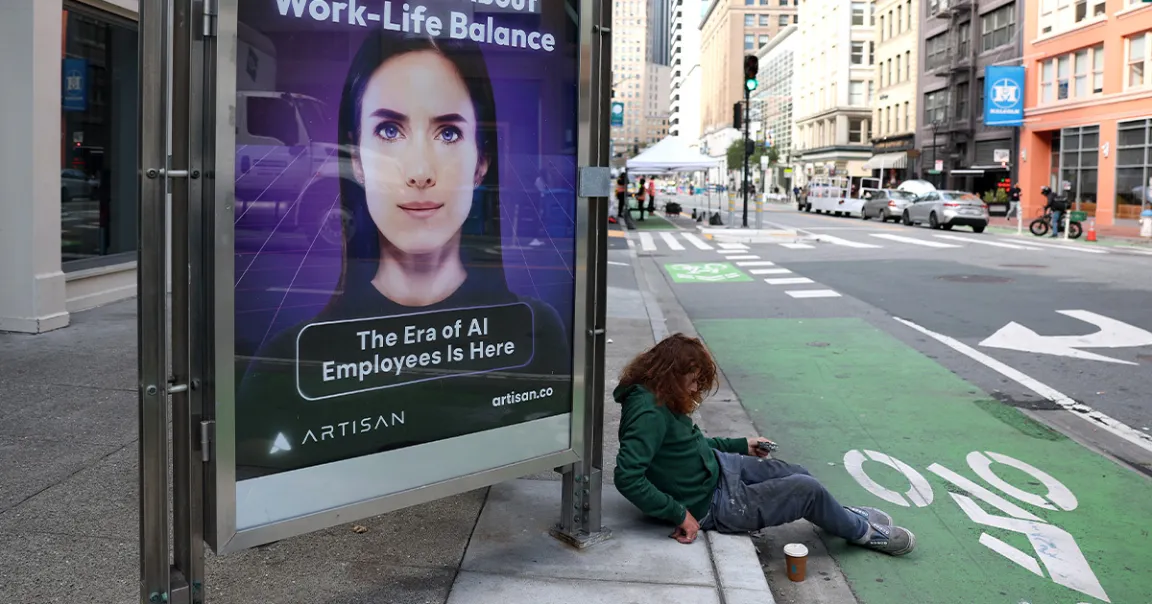
One of the most symbolic battles in the AI era involves artists and intellectual property.
KC Green, creator of the iconic “This Is Fine” comic, has reportedly reached an agreement with AI startup Artisan after disputes related to the use of the artwork. The agreement highlights a broader tension facing the creative economy: how copyrighted works should be treated in an age of generative AI. (Based on reporting from TechCrunch.)
The outcome may signal a growing preference for licensing and negotiated agreements instead of lengthy legal battles.
Why It Matters
- Copyright disputes remain unresolved across the AI industry.
- Licensing may become the preferred path forward.
- Creators are gaining leverage in negotiations with AI companies.
The Bigger Story: Technology’s New Reality
Viewed individually, these seven stories appear unrelated.
Viewed together, they reveal a larger trend.
The next phase of technology will not be defined solely by innovation.
It will be defined by:
- Regulation
- Infrastructure
- Capital
- Cybersecurity
- Intellectual property
- Resource availability
The winners of the AI era will not simply build better models. They will navigate governments, secure resources, protect users, manage risk, and maintain public trust.
That challenge may prove far more difficult than building the technology itself.
Related Reading on IMFounder
- AI Spending Crisis: The Hidden Cost of the AI Boom
- Google’s Vizag AI Data Centre and India’s Water Debate
- How GLP-1 Drugs Are Reshaping Entire Industries
- Over 600 Million Indian Face High to Extreme Stress Over Water while Google Investing $15 Billion on AI Data Centre.
- The Explosive Month That Changed AI, Tech, Business — and the Internet
- Ferrari’s Luce EV Identity Crisis: Did Jony Ive Lose the Magic Without Steve Jobs?
Source: TechCrunch and Reddit





SpaceX identified water availability as a constraint for scaling AI data centers