
For over two decades, Jony Ive was treated like a design god inside the tech world.
The man behind the iPhone, iMac, MacBook Air, and Apple’s iconic minimalist era became synonymous with modern product design itself.
But today, something feels different.
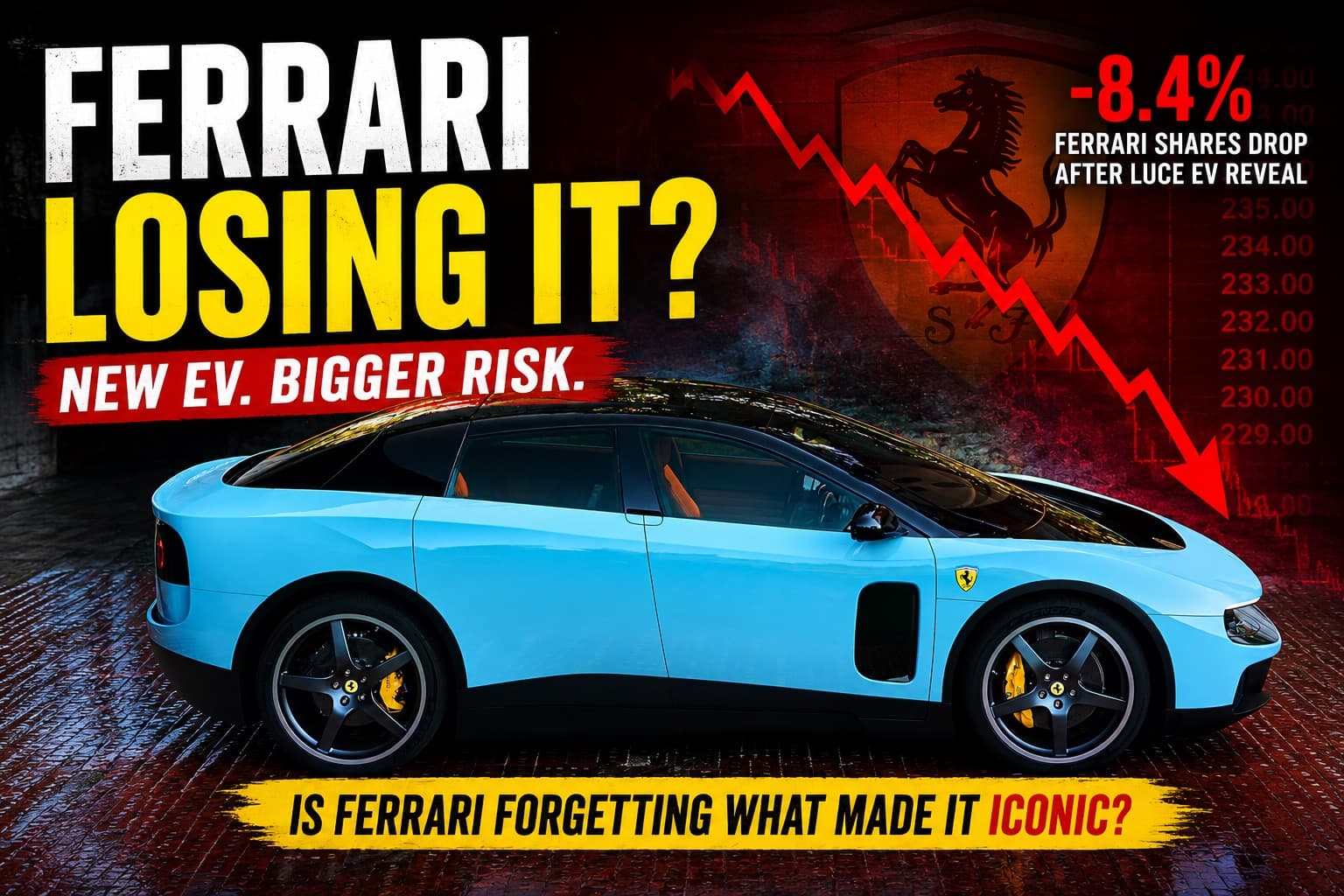
The backlash surrounding Ferrari’s new EV — reportedly influenced heavily by Jony Ive’s design philosophy — is raising a question many longtime Apple and Ferrari fans never expected to ask:
Was Steve Jobs the real force that kept Jony Ive’s vision grounded?
Because right now, Ferrari fans are not celebrating. They are worried.
And for the first time in years, the criticism around Ive is becoming loud, emotional, and impossible to ignore.
Ferrari Fans Didn’t Ask for an “Apple Car”
Ferrari buyers are not purchasing a machine for productivity.
They are not looking for:
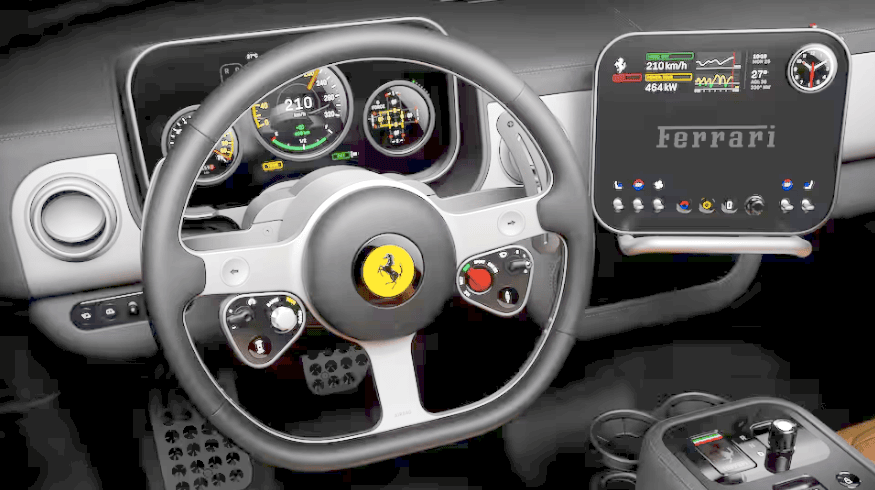
- minimalist UX,
- calming interfaces,
- clean Scandinavian interiors,
- or silent digital perfection.
They buy Ferrari because Ferrari represents:
- noise,
- emotion,
- aggression,
- mechanical drama,
- heritage,
- and irrational passion.
That is the entire point of owning a Ferrari.
The problem is that the new Ferrari EV reportedly feels more like a luxury tech object than a living, breathing Ferrari.
And fans noticed immediately.
Across social media, forums, and automotive communities, reactions have been brutal:
- “This doesn’t feel like a Ferrari.”
- “It looks emotionally empty.”
- “Why does this feel like a giant Apple accessory?”
- “Ferrari is losing its soul.”
That criticism matters because Ferrari is not just selling transportation. Ferrari sells mythology.
Once a luxury brand starts feeling generic, minimal, or trend-driven, the emotional premium begins to weaken.
And markets notice that very quickly.
Ferrari’s Stock Drop Sent a Bigger Message Than Investors Expected
Ferrari’s recent stock decline after the EV reveal was not just a normal market reaction to a new product launch.
It felt like Wall Street suddenly realized that Ferrari may be entering an identity crisis.
Following the unveiling of the Ferrari Luce EV, Ferrari shares reportedly dropped between 6% and 8.4% in Milan trading within days. Billions in market value disappeared — not because Ferrari built an electric car, but because investors began questioning whether Ferrari still understands what makes Ferrari special. (TheGuardian)
| Timeline | Ferrari Share Reaction |
|---|---|
| Before Ferrari EV Reveal | Stable |
| First Trading Session After Reveal | -6% |
| Within 48 Hours | -8.4% |
That distinction matters.
Ferrari customers do not buy Ferraris for convenience, simplicity, or minimalist technology. Nobody dreams about owning a Ferrari because it feels calm, clean, or practical.
People buy Ferrari because Ferrari represents:
- chaos,
- theatre,
- noise,
- danger,
- racing DNA,
- emotional obsession,
- and irrational passion.
Owning a Ferrari has never been about logic.
It is about feeling something.
And that is exactly why the backlash became so intense online. Many enthusiasts were not rejecting electrification itself. They were reacting to the fear that Ferrari’s new direction feels emotionally sterile — more focused on futuristic design trends than preserving the raw personality that built the brand.
For decades, Ferrari mastered something most luxury companies fail to achieve:
it sold mythology, not transportation.
That mythology is worth billions.
The concern now — both among fans and investors — is simple:
if Ferrari starts looking emotionally interchangeable with every other luxury EV brand chasing minimalist aesthetics, what exactly remains uniquely Ferrari anymore?
Because once a luxury icon loses emotional identity, the market stops treating it like a legend and starts treating it like just another car company.
The iOS 7 Problem Never Really Went Away
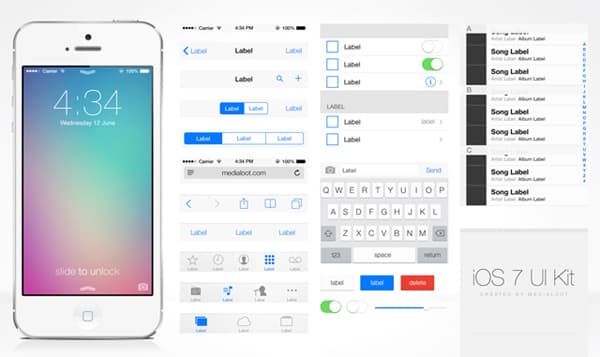
Long before Ferrari, many Apple fans felt the warning signs started with iOS 7.
Yes, iOS 7 changed the industry.
Yes, every tech company copied it afterward.
But influence and good design are not always the same thing.
When Apple launched iOS 7, it erased much of the tactile, human feeling that earlier Apple software had:
- buttons stopped looking clickable,
- textures disappeared,
- depth vanished,
- typography became ultra-thin,
- and everything became aggressively flat.
The old Apple philosophy felt warm and intuitive.
The new philosophy felt cold and clinical.
Critics argued that Apple traded usability and personality for visual purity.
And because Apple was powerful enough to shape the industry, competitors followed whether users emotionally connected with it or not.
That is the dangerous side of influence:
When giants move, the industry copies first and asks questions later.
Steve Jobs May Have Been the Missing Piece

One of the biggest myths in tech history is that Apple’s greatest products came from one genius mind.
They didn’t.
Apple’s golden era happened because Steve Jobs and Jony Ive balanced each other perfectly.
Jobs obsessed over:
- emotional connection,
- storytelling,
- human behavior,
- product positioning,
- simplicity without losing soul,
- and knowing when design was becoming too abstract.
Ive focused on:
- industrial beauty,
- reduction,
- materials,
- precision,
- and minimalist execution.
Together, they created products that felt futuristic but still emotional.
Without Steve Jobs, critics increasingly argue that Ive’s design instincts became too obsessed with purity and minimalism itself.
And honestly, some evidence supports that criticism.
After Jobs:
- Apple products became thinner at the expense of practicality,
- butterfly keyboards became infamous,
- ports disappeared,
- repairability worsened,
- and software UI became flatter and more sterile.
Now Ferrari fans fear the same thing is happening to Ferrari:
beautiful minimalism replacing emotional identity.
Ferrari’s Biggest Risk Is Not Technology — It’s Losing Emotion
Electric Ferraris were always going to be controversial.
But controversy alone is not the issue.
The real danger is if Ferrari starts feeling emotionally interchangeable with every other futuristic luxury EV startup chasing clean aesthetics.
Ferrari cannot win by becoming “efficient.”
Ferrari wins by being unforgettable.
Historically, cars like:
- the Ferrari F40,
- Ferrari Enzo,
- and LaFerrari

felt dramatic before they even started moving.
The new EV design, according to many fans, feels emotionally quieter.
And that is a terrifying direction for a brand built entirely around emotional excess.
The Harsh Reality Jony Ive Might Be Facing
Jony Ive may still be one of the most influential designers in modern history.
That legacy is secure.
But influence does not make every future decision correct.
What made Ive legendary at Apple may have been the tension between his minimalist instincts and Steve Jobs’ obsession with emotional humanity.
Without that balance, some critics now believe Ive’s work risks becoming:
- too clean,
- too quiet,
- too emotionally distant,
- and disconnected from what passionate communities actually love.
Ferrari fans are not buying a smartphone on wheels.
They are buying a dream.
And dreams are rarely minimal.
Final Thoughts
As a longtime admirer of Jony Ive’s earlier Apple work, this criticism is not coming from hate.
It is coming from disappointment.
The products created during the Steve Jobs era changed technology forever because they balanced:
- emotion,
- functionality,
- identity,
- and simplicity.
But today, the newer direction often feels like minimalism for the sake of minimalism.
And Ferrari might be learning the hard way that:
removing complexity is easy.
preserving soul is much harder.
Related Articles on IMFounder
- There Are Actually Two 2026 FIFA World Cups Happening
- Apple at 50: The Brutal Truth Behind 5 Decades of Success
- The Grand Theft Auto Phenomenon: Costs, Revenue, Delays – GTA6
- The Internet Economy in 2026: Why Attention Is More Valuable Than Money
- The Rise and Fall of Hudson’s Bay: From Canadian Icon to Bankruptcy