
Finding the best coworking spaces in Canada in 2026 means looking beyond ping-pong tables and free coffee.
Since the post-pandemic resurgence of in-person work, Canada’s coworking market has matured from an emergency alternative to remote work into a deliberate strategic choice for serious founders.
The question is no longer whether to use a coworking space. It is which one, in which city, and what you should actually be getting for your money.
This guide ranks the best coworking spaces in Canada across major startup cities—evaluated on community quality, infrastructure, flexibility, and the one factor that matters most: the calibre of people around you.
Why Coworking Still Wins for Early-Stage Founders in 2026
Before the rankings: a quick case for the model.
Signing a traditional office lease as a pre-Series A company in 2026 is one of the riskiest commitments a founder can make. Canadian commercial rents, despite the broader real estate correction we covered in When the Housing Bubble Bursts, remain elevated in major city centres. A traditional lease locks you into a fixed cost against an unpredictable revenue curve.
Coworking solves this. Month-to-month flexibility, zero fit-out costs, built-in community, and — critically — access to a network of other founders, potential hires, and sometimes early customers in the same building.
For immigrant founders navigating Canada’s shifting immigration policies — which we have tracked extensively in our immigration coverage — coworking spaces often serve a second function: they connect you to the incubator and angel networks that can serve as immigration sponsors or reference partners.
Here is where to work across Canada in 2026.
Best Coworking Spaces in Canada: City-by-City Rankings
Toronto
MaRS Discovery District — Best Overall for Deep Tech & Life Sciences Founders
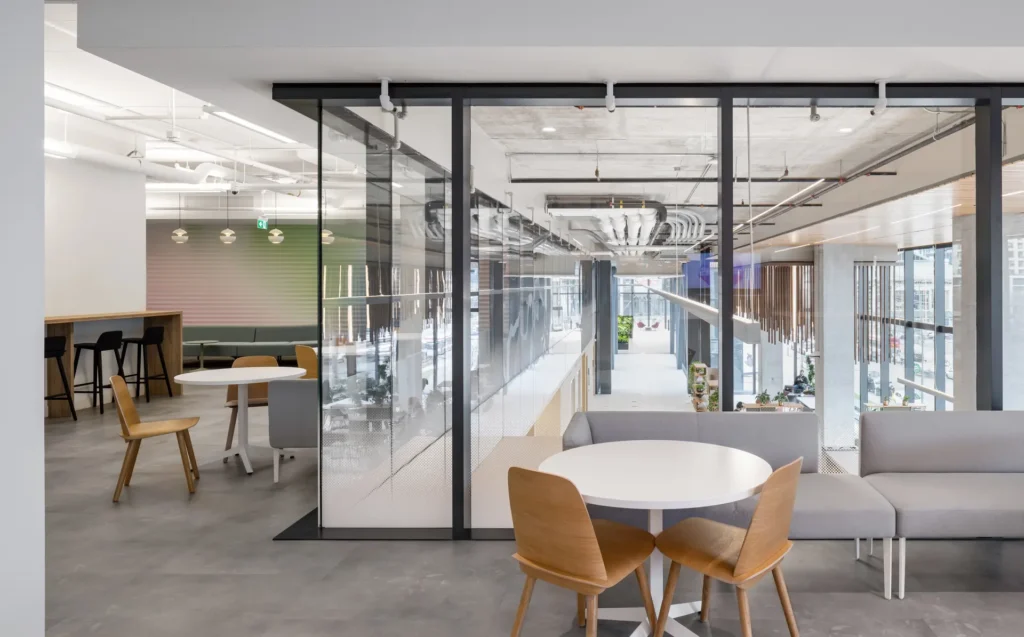
Location: College Street
Desk: $450–$850/month
Standout: Research ecosystem, venture advisors
MaRS is not just a coworking space — it is Canada’s largest urban innovation hub. For founders in AI, health tech, cleantech, or deep tech, the density of researchers, clinicians, investors, and policy advisors under one roof is unmatched anywhere in the country. If your startup has any connection to research or regulated industries, this is where you want to be physically present.
Spaces King Street — Best for Creative & Consumer Startups
Location: King Street West
Desk: $350–$750/month
Standout: Premium design, strong events
Spaces brings European co-working aesthetics to Toronto’s most vibrant commercial corridor. For consumer brand founders, media companies, or startups that need to impress clients and recruits walking through the door, King Street Spaces delivers the right first impression. The event calendar — pitches, panels, networking dinners — is among the most active in the city.
Workhaus — Best Value in Toronto
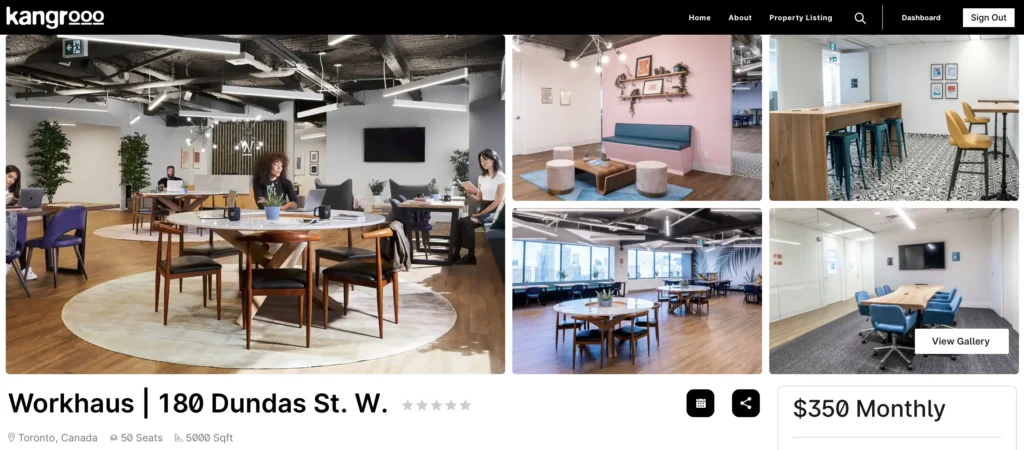
Location: Multiple locations
Desk: From $275/month
Standout: Affordable, no-frills efficiency
Workhaus is the founder’s pick when the priority is execution over optics. Clean, fast, reliable — and at $275/month, you are paying for exactly what you need with none of the lifestyle markup.
Vancouver
Hive — Best for Tech and SaaS Founders
Location: Gastown, Mount Pleasant
Desk: $300–$650/month
Standout: Strong startup community
Hive has built what may be Vancouver’s tightest founder community. The Gastown location sits at the centre of the city’s tech cluster — within walking distance of dozens of established studios and startups. Their internal Slack community, events calendar, and peer mentorship culture make it rare among coworking spaces in that the community actually functions.
Regus Bentall Centre — Best for Enterprise-Facing Startups
Location: Downtown Vancouver
Desk: From $400/month
Standout: Corporate-grade environment
For founders who regularly meet with large enterprise clients, financial institutions, or government partners — a Burrard Street address on your business card carries weight in Vancouver. Regus Bentall delivers the corporate-grade environment when your sales process requires it.
Calgary
Platform Calgary — Best Ecosystem Play
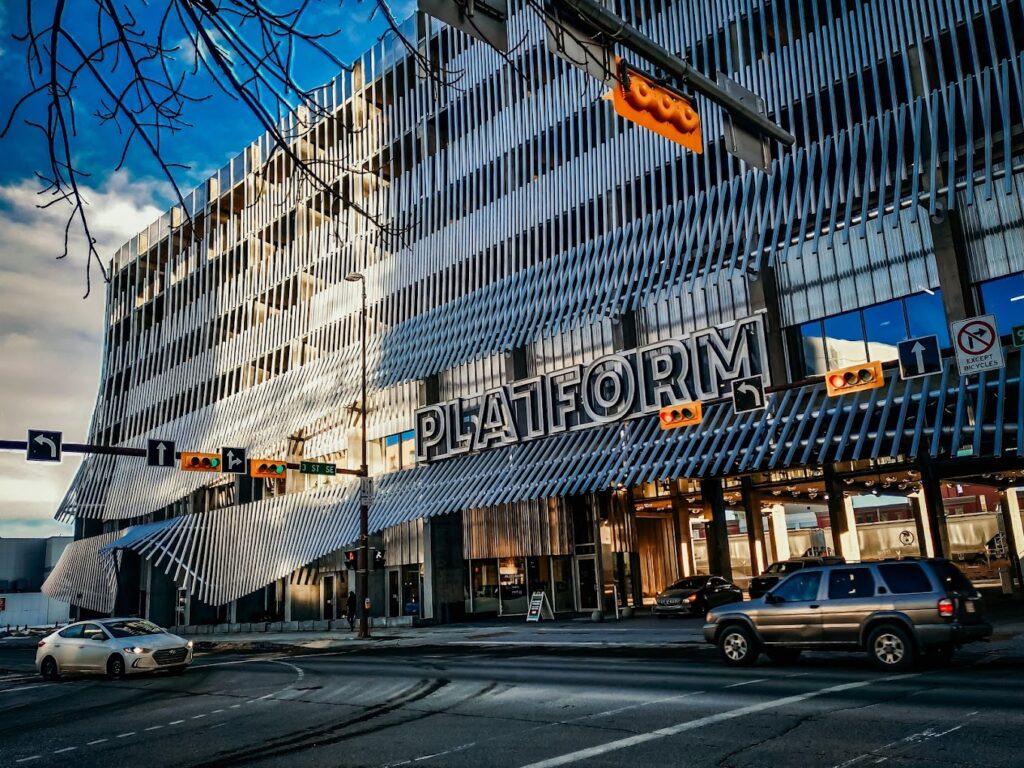
Location: Downtown Calgary
Desk: From $200/month
Standout: Investor and government access
Platform Calgary is more than a coworking space — it is a deliberate ecosystem builder backed by the City of Calgary and major corporate partners. For energy-tech, agri-tech, or cleantech founders specifically, the investor and corporate partner access here is unmatched anywhere in Western Canada outside Vancouver.
At $200/month, it is also the best-value serious coworking option on this list.
Ottawa
L-SPARK / Bayview Yards — Best for GovTech and Federal Contractors
Location: Bayview Yards
Desk: From $250/month
Standout: Government pipeline access
Ottawa’s startup ecosystem runs on government proximity. If your product has any application in federal procurement, defence, health, or public services — being physically present in Ottawa’s innovation district is a competitive advantage that no remote setup can replicate. L-SPARK’s accelerator programs have direct government relationships that translate into real contract pipeline.
Montreal
Station F Montreal / Espace CDPQ — Best for AI and Francophone Market Access
Location: Mile-Ex
Desk: From $280/month
Standout: AI ecosystem and grants
Montreal is quietly one of the best cities in North America to build an AI company. The concentration of world-class AI researchers from Mila and Université de Montréal, combined with generous Quebec provincial innovation grants, creates an environment that rivals much larger ecosystems. As we covered in Grants for AI-Based Companies in Canada, Quebec-specific programs layer on top of federal funding in ways that make Montreal structurally attractive for AI founders.
The Mile-Ex neighbourhood — home to Mila, Element AI alumni, and dozens of AI startups — is the highest density of machine learning talent per city block anywhere in Canada.
How Much Do Coworking Spaces Cost in Canada (2026)?
- Toronto: $275 – $850/month
- Vancouver: $300 – $650/month
- Calgary: $200+
- Ottawa: $250+
- Montreal: $280+
Costs vary based on location, amenities, and access levels, but flexibility remains the key advantage over traditional leases. source: Kangrooo.com
What to Look For Beyond the Desk
Before signing any coworking agreement in 2026, ask these five questions that most founders forget:
1. What is the average size of company in this space? You want to be around companies one stage ahead of you, not ten stages. Sitting next to a 200-person scale-up as a three-person seed-stage team gives you almost no useful peer community.
2. Is the internet independently verified? Ask for a Speedtest screenshot from peak hours on a Tuesday morning. Not what the spec sheet says — what it actually delivers when thirty people are on video calls simultaneously.
3. What events happen here, and who runs them? A monthly pizza-and-pitch night is a vanity metric. Ask whether the events have produced actual investor introductions, customer meetings, or hires for current members.
4. Is there a private meeting room included, and how far in advance do you need to book it? A hot desk with no reliable access to a private room is not a usable office — it is a café with faster Wi-Fi.
5. Can you bring clients here without it looking like a co-working space? Depending on your sales process, this matters enormously. Some coworking spaces have client-grade meeting facilities. Many do not.
The IMFounder Verdict
The coworking market in Canada in 2026 is mature. There is no universally “best” space—only the one best aligned with your stage and network needs.
For most founders, the strategy is simple: choose community over aesthetics. The density of relevant people will compound your growth far more than design ever will.
Related Reading on IMFounder
- The Post-Pandemic Resurgence of Event and Coworking Spaces in North America
- Top 10 Canadian Cities Leading the Event Space Revolution
- When the Housing Bubble Bursts: Real Stories of Buyers Who Lost Hundreds of Thousands
- Canadian Housing Market 2025: Will Interest Rate Cuts Finally Cool Prices?
- Grants for AI-Based Companies in Canada (2026)