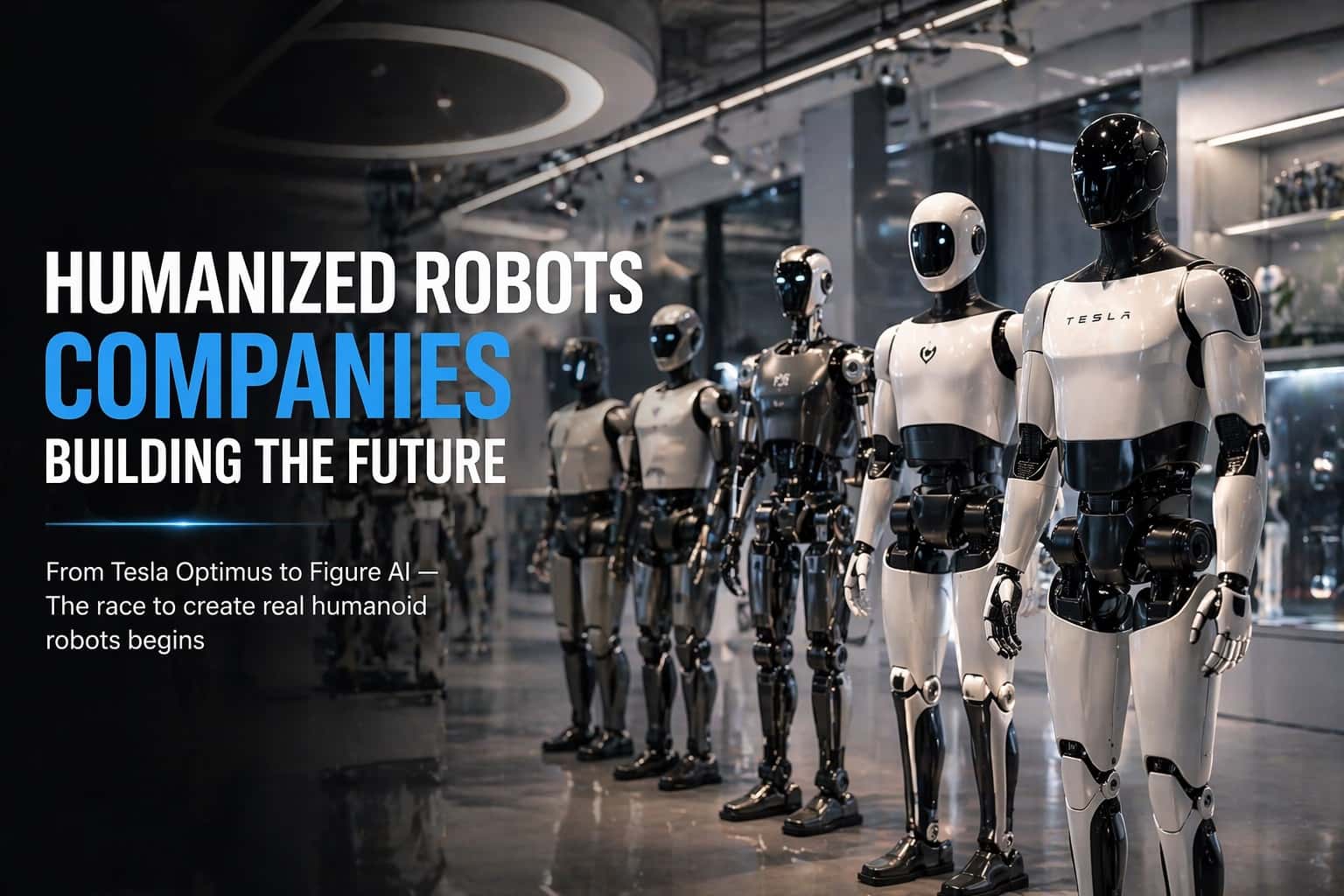

Humanized Robots Companies Are Building the Next Workforce
Humanized Robots Companies are moving humanoid robots from research labs into factories, warehouses, hospitals, and even homes. These robots are designed to walk, interact, and perform tasks in environments built for humans — which makes them far more flexible than traditional automation.
Unlike industrial robotic arms, humanoid robots can use stairs, tools, and workspaces already designed for people. That’s why the race to build human-like robots has intensified among major tech startups and established robotics companies.
Below are the most important Humanized Robots Companies, what their robots can do today, when they may launch, and how much they might cost.
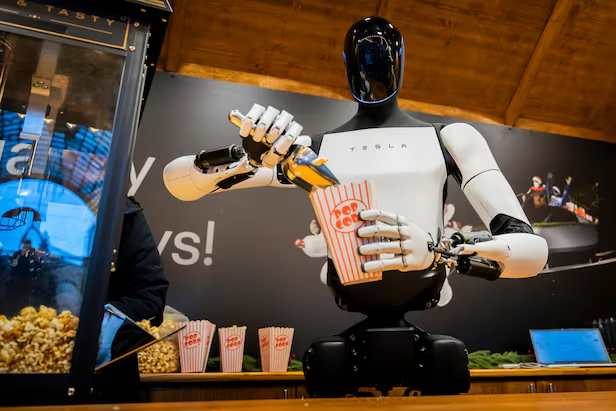
1. Tesla — Optimus
Who’s behind it & vision
Tesla is developing Optimus under the leadership of Elon Musk. The vision is to create a general-purpose humanoid robot capable of replacing repetitive or dangerous labor.
Tesla plans to leverage its AI, computer vision, and manufacturing expertise to mass-produce humanoid robots at scale.
Launch timeline
- First announced: 2021
- Prototype demo: 2022
- Gen-2 improvements: 2023–2024
- Factory testing: 2025–2026
- Commercial rollout expected: 2027+
Current position
Optimus can currently:
- Walk with improved balance
- Pick and move objects
- Perform simple factory tasks
- Use AI vision for navigation
Tesla is testing Optimus internally in manufacturing environments.
What it’s for
- Factory labor
- Warehouse operations
- Logistics
- Household chores (long term)
- Dangerous environments
Expected cost
Tesla has suggested a long-term target price under $30,000, but no official commercial pricing has been announced.
Why it matters
Tesla may be the only company capable of mass-producing humanoid robots.
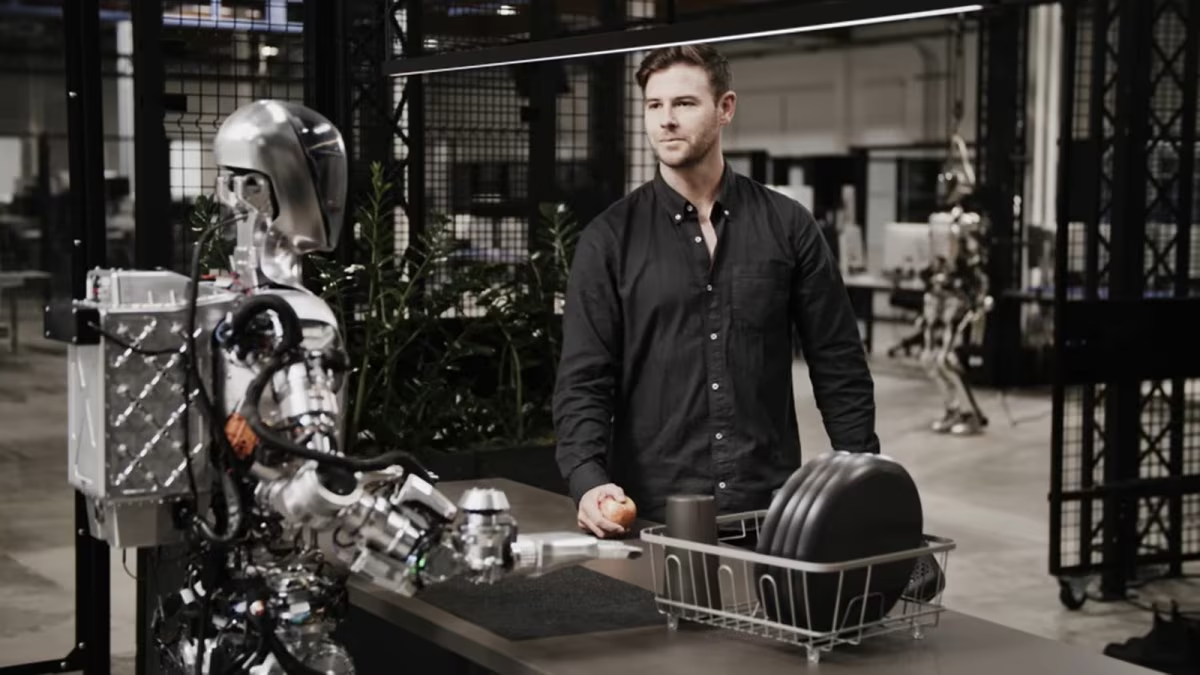
2. Figure AI — Figure 01
Who’s behind it & vision
Figure AI, founded by Brett Adcock, is building general-purpose humanoid robots designed for labor shortages.
The company focuses on deploying humanoid robots in real-world jobs.
Launch timeline
- Company founded: 2022
- Figure 01 revealed: 2023
- Industrial testing: 2024–2025
- Early deployment expected: 2026
Current position
Figure 01 can:
- Walk naturally
- Pick and place objects
- Perform warehouse tasks
- Follow voice instructions
- Use AI reasoning models
Robots have already been tested in manufacturing environments.
What it’s for
- Warehouses
- Manufacturing
- Logistics
- Retail stocking
Cost
No official pricing announced. Expected enterprise deployment model first.
Why it matters
Figure AI is one of the fastest-moving humanoid robotics startups.
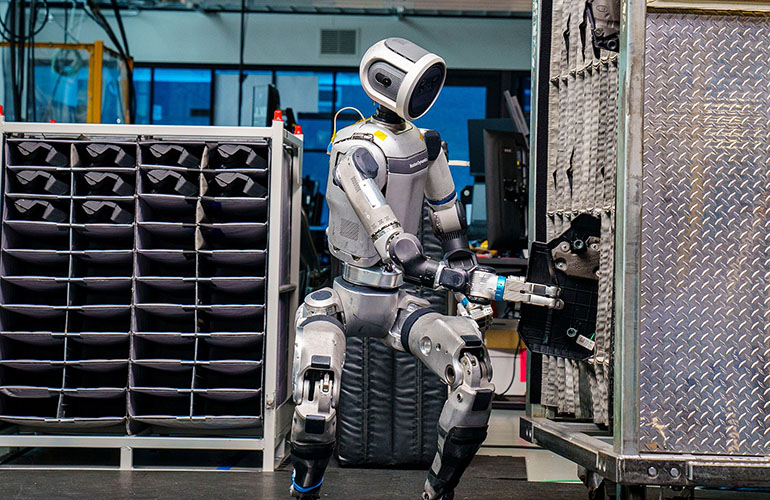
3. Boston Dynamics — Atlas
Who’s behind it & vision
Boston Dynamics, owned by Hyundai Motor Group, is developing Atlas as an industrial humanoid robot.
The new Atlas is designed for real-world work, not research demos.
Launch timeline
- Atlas program started: 2013
- Electric Atlas announced: 2024
- Industrial deployment expected: 2026+
Current position
New Atlas focuses on:
- Industrial movement
- Lifting objects
- Autonomous navigation
- Factory tasks
Boston Dynamics redesigned Atlas to prioritize useful work over acrobatics.
What it’s for
- Manufacturing
- Construction
- Logistics
- Industrial automation
Cost
Not announced. Expected enterprise-only deployment.
Why it matters
Atlas has some of the most advanced mobility in humanoid robotics.
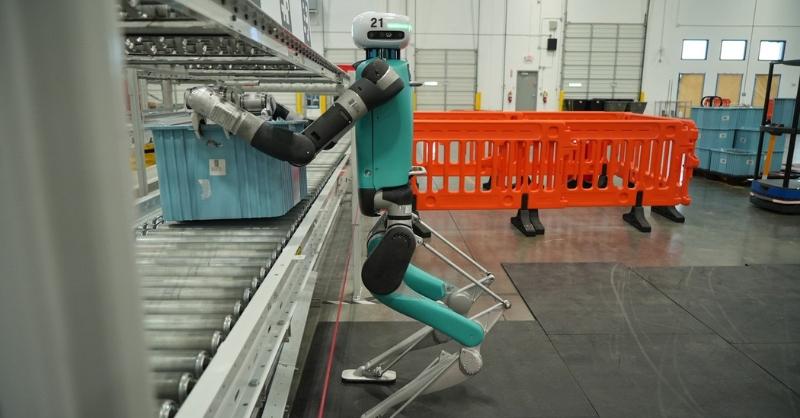
4. Agility Robotics — Digit
Who’s behind it & vision
Agility Robotics is building Digit as a warehouse-focused humanoid robot.
The goal is to automate logistics tasks designed for human workers.
Launch timeline
- Digit prototype: 2019
- Commercial version: 2023
- Mass production facility: 2025
Current position
Digit is already:
- Moving boxes
- Loading containers
- Sorting packages
- Working in pilot warehouse deployments
What it’s for
- Warehouse automation
- Logistics
- Distribution centers
- Retail backrooms
Cost
Digit is offered via Robots-as-a-Service, not consumer sales.
Why it matters
Digit is one of the closest humanoid robots to real deployment.
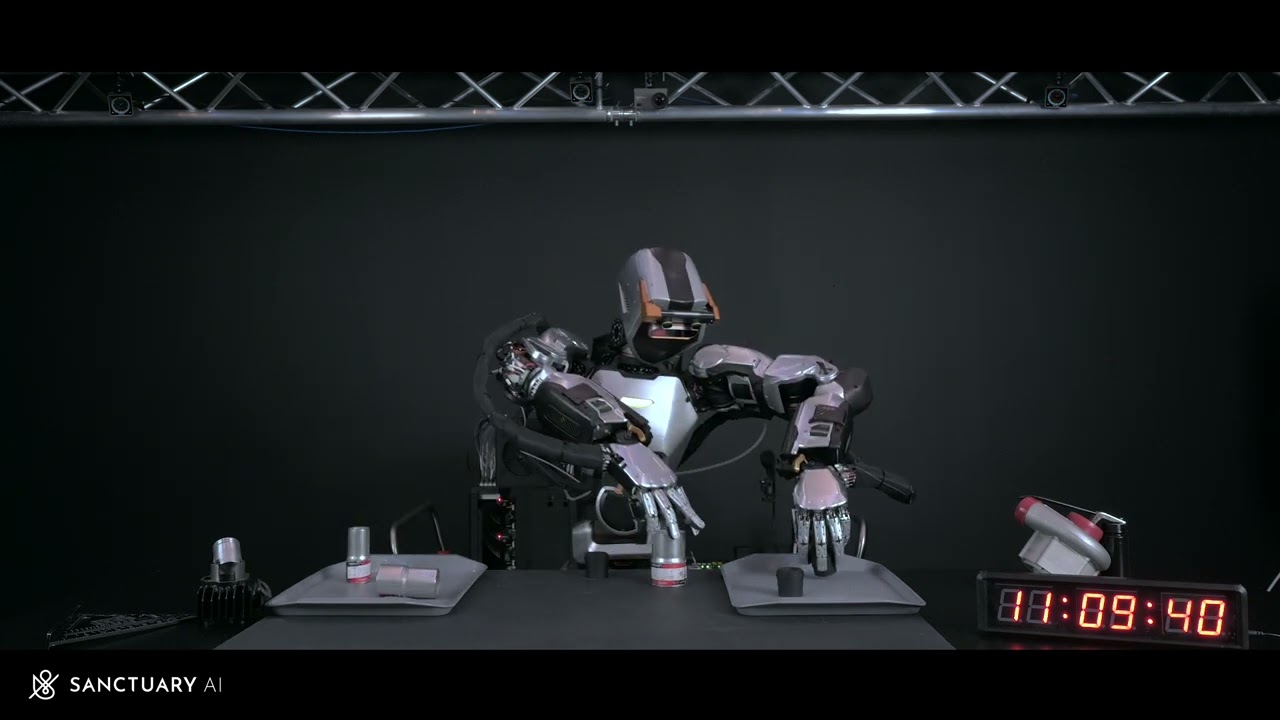
5. Sanctuary AI — Phoenix
Who’s behind it & vision
Sanctuary AI is building general-purpose humanoid robots capable of learning many jobs.
The company aims to create robots that can work in any human environment.
Launch timeline
- Phoenix announced: 2023
- Retail pilot deployments: 2024–2025
- Commercial expansion expected: 2026+
Current position
Phoenix robots can:
- Perform retail tasks
- Use tools
- Follow instructions
- Learn new tasks
What it’s for
- Retail stores
- Customer service
- General labor
- Office support
Cost
Not publicly announced. Enterprise testing phase.
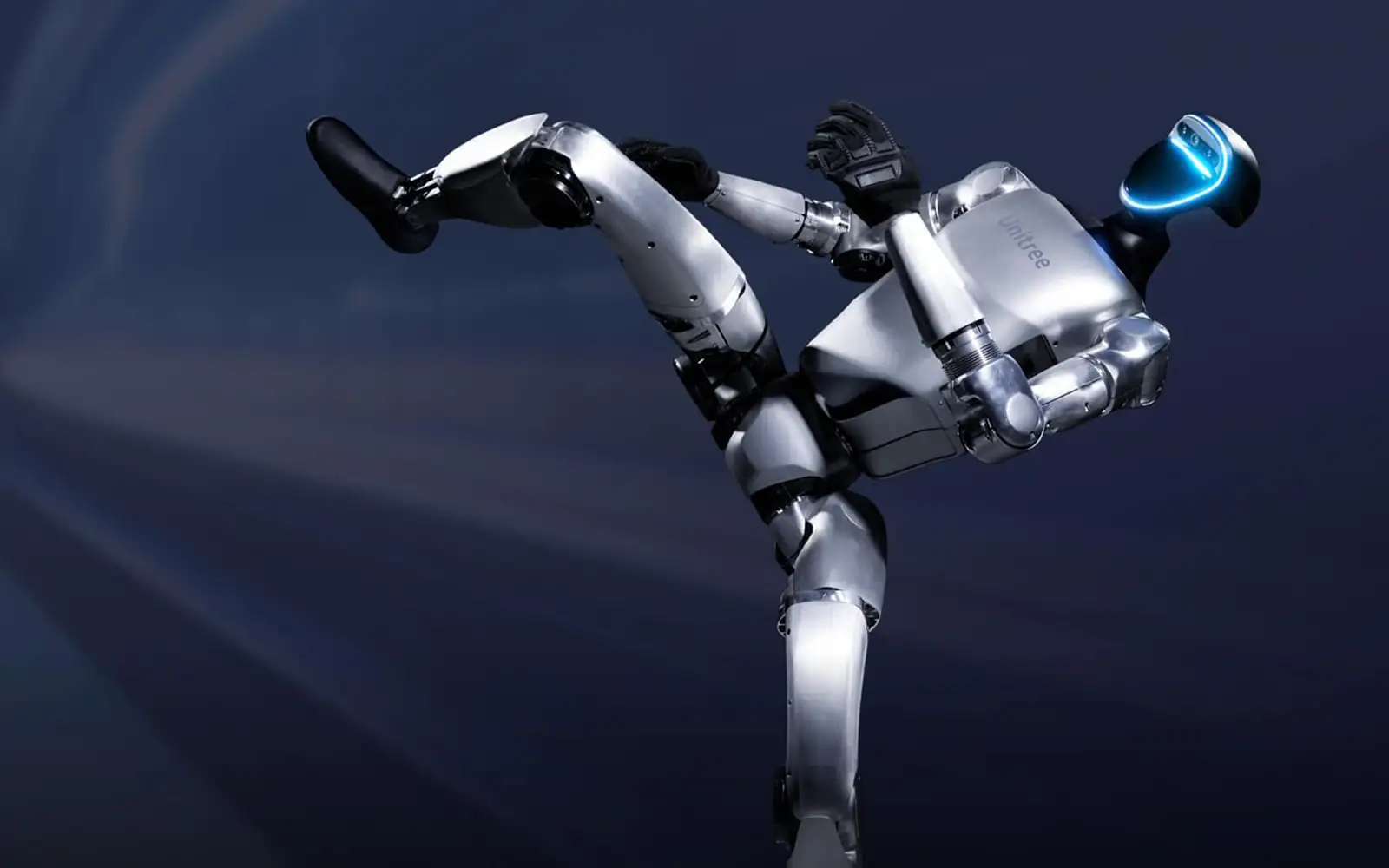
6. Unitree Robotics — H1 / G1
Who’s behind it & vision
Unitree Robotics is building affordable humanoid robots.
The company is known for lower-cost robotics hardware.
Launch timeline
- H1 humanoid revealed: 2023
- G1 humanoid announced: 2024
- Developer units shipping: 2025
Current position
Unitree humanoids feature:
- Dynamic walking
- Fast movement
- Open developer platform
- Research use
What it’s for
- Robotics research
- AI development
- Industrial experiments
Cost
Some Unitree humanoid models are expected to start around $10,000–$20,000 for developer editions.
Why it matters
Unitree may become the most affordable humanoid robot maker.
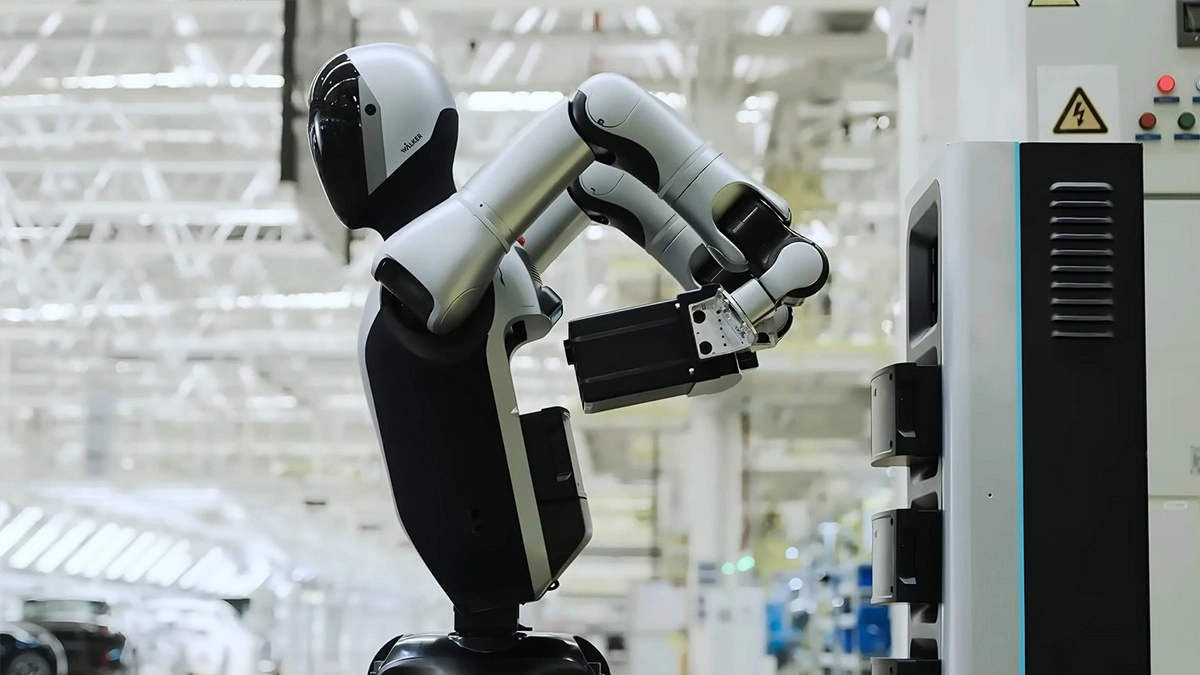
7. UBTECH Robotics — Walker S
Who’s behind it & vision
UBTECH Robotics is building humanoid robots for factories and smart manufacturing.
Launch timeline
- Walker introduced: 2018
- Walker S industrial robot: 2024
- Factory deployment expected: 2026
Current position
Walker S can:
- Walk in factory environments
- Handle assembly tasks
- Use AI vision
- Work with humans
What it’s for
- Manufacturing
- Smart factories
- Industrial automation
Cost
Not publicly announced.
8. 1X Technologies — NEO

Who’s behind it & vision
1X Technologies is building a humanoid robot designed for homes.
Launch timeline
- NEO announced: 2024
- Home testing: 2025
- Early adopter rollout expected: 2026+
Current position
NEO focuses on:
- Safe home interaction
- AI assistance
- Human-friendly design
- Indoor tasks
What it’s for
- Household chores
- Elderly assistance
- Personal assistant
- Smart home tasks
Cost
Not officially announced. Consumer-focused pricing expected long term.
9. Apptronik — Apollo
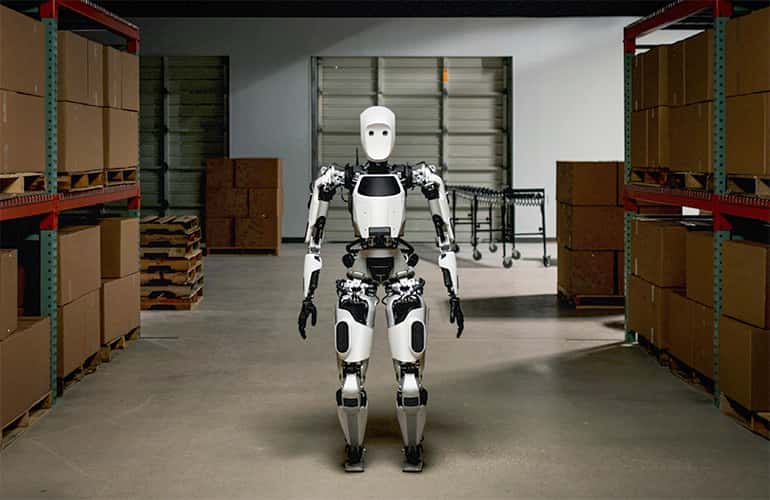
Who’s behind it & vision
Apptronik, founded by robotics engineers from NASA, is developing Apollo as a general-purpose humanoid robot.
Launch timeline
- Apollo announced: 2023
- Industrial pilots: 2024–2025
- Deployment expected: 2026+
Current position
Apollo robots can:
- Move boxes
- Work in warehouses
- Perform repetitive labor
- Collaborate with humans
What it’s for
- Logistics
- Manufacturing
- Warehouse work
Cost
Not publicly announced.
When Humanized Robots Will Become Mainstream
Industry expectations:
2025–2026 — enterprise deployments
2027 — limited commercial use
2028–2030 — early consumer robots
2030+ — widespread adoption
What These Humanized Robots Companies Are Solving
- Labor shortages
- Aging workforce
- Dangerous jobs
- 24/7 operations
- Household assistance
- Industrial automation
- Retail automation
- Record Breaking Profits
The Future of Humanized Robots Companies
Humanized Robots Companies are building a new category of AI-powered machines designed to live and work alongside humans. Over the next decade, humanoid robots may become as common as smartphones — first in businesses, then in homes.
The companies leading today’s race will likely define the future of robotics.
Related Articles on IMFounder
- 7 Powerful AI Tools for Founders in 2026 You Must Know About Now
- Tim Cook Stepping Out of Apple: The Operator Who Built a $4 Trillion Giant
- Revolutionary New AI Model from Anthropic
- Oracle just proved a brutal reality: companies can hit record profits while cutting tens of thousands of jobs
- Why Silicon Valley Is Investing in “War Tech”
- Elon Musk’s xAI Commits Over $20 Billion to Mississippi