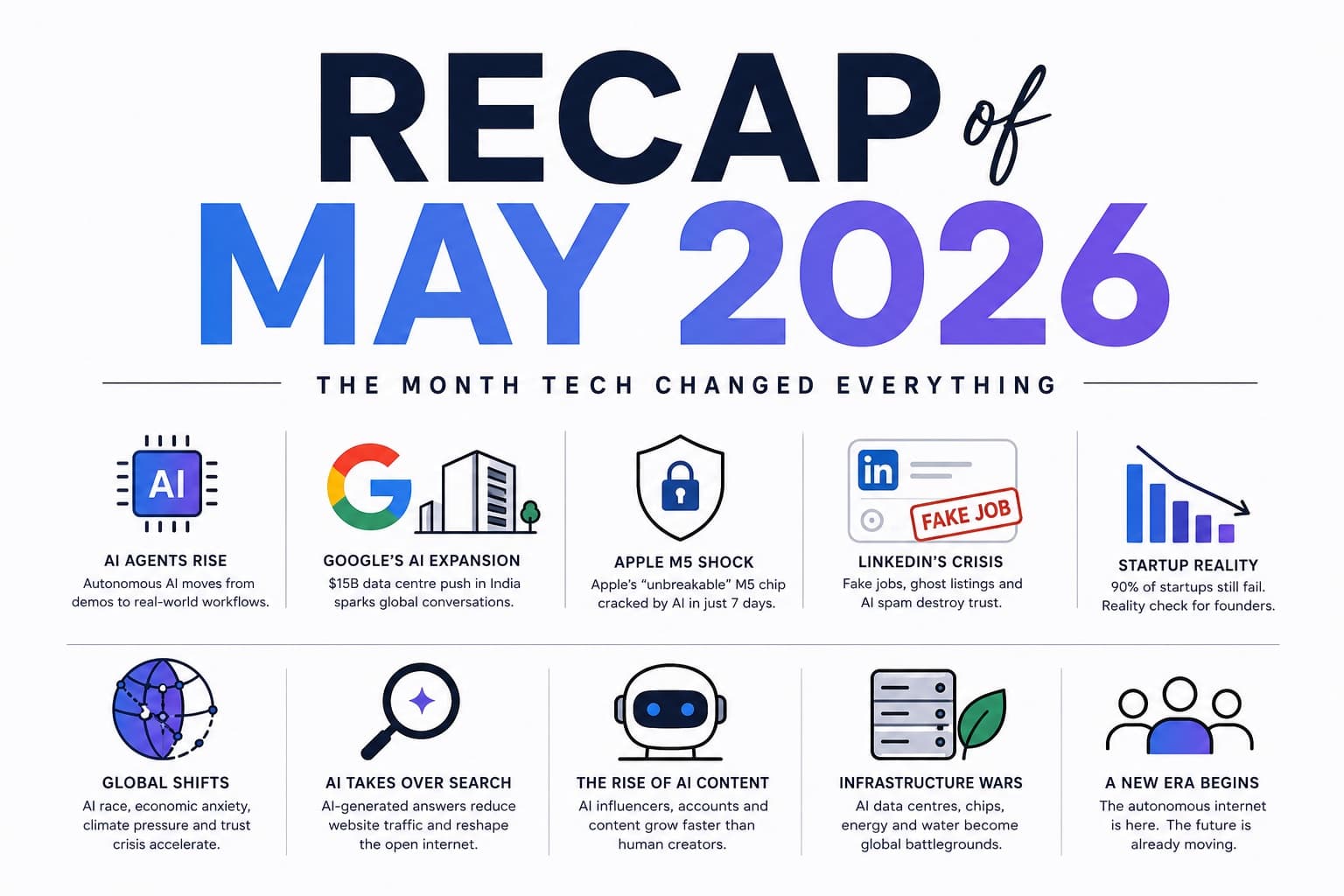

May 2026 did not feel like a normal month in technology.
It felt like the industry accelerated all at once.
Artificial intelligence stopped behaving like a tool and started behaving like infrastructure. Search engines began replacing websites with AI-generated answers. Autonomous agents moved closer to becoming digital employees. Hiring platforms faced trust crises. Big Tech doubled down on data centers, compute wars, and AI dominance.
Meanwhile, around the world, geopolitics, sports, climate pressure, creator culture, and startup economics all collided into one massive global shift.
At IMFounder, May 2026 became one of the most intense editorial months we’ve covered so far.
This is the complete explosive recap of May 2026 — both from around the world and from the biggest stories covered on IMFounder.
The AI Industry Crossed a Psychological Line
By May 2026, the conversation around AI had fundamentally changed.
The debate was no longer:
“Can AI help humans?”
The new debate became:
“How much human work can AI replace?”
That shift was visible everywhere.
Autonomous AI systems began moving from experimental demos into real workflows. AI-generated search started replacing traditional website traffic. Startups rushed to add “AI” to everything. And ordinary users slowly realized the internet itself was changing underneath them.
One of the clearest signals came from ByteDance.
IMFounder covered the rise of DeerFlow, an open-source autonomous AI agent framework that pushed AI beyond chatbot interactions into multi-step execution systems capable of handling workflows more independently.
Read: ByteDance’s DeerFlow and the Rise of AI Employees (ImFounder)
This was part of a much larger pattern emerging globally:
AI was evolving from answering questions to performing work.
At the same time, AI-generated content and AI personalities exploded across social platforms.
Virtual creators, AI influencer accounts, automated business pages, and AI-generated media began growing faster than many human creators.
Read: AI Social Media Accounts Are Growing Faster Than Humans And It’s Changing Everything (ImFounder)
The internet was beginning to feel less human — and more algorithmic.
Google’s AI Push Triggered Panic Across the Web
One of the biggest global conversations in May 2026 centered around Google’s aggressive AI expansion.
Publishers, creators, SEO companies, bloggers, and startups increasingly realized something terrifying:
AI-generated search answers were reducing clicks to actual websites.
Traffic models that powered the open internet for nearly two decades suddenly looked unstable.
At IMFounder, multiple stories explored how Google’s AI transformation could reshape the economics of the internet itself.
Coverage included:
- AI search replacing website traffic
- the rise of AI-first browsing behavior
- the infrastructure war around AI data centers
- the hidden resource cost of large-scale AI systems
One of the biggest stories covered how Google’s massive AI infrastructure expansion in India raised concerns around land use, water consumption, governance, and tax incentives.

Read: Google’s $15 Billion AI Data Centre Push in Visakhapatnam
The story became part of a broader global concern:
AI may not only reshape software — it may reshape energy grids, water systems, and geopolitics.
Apple Faced One of the Most Symbolic AI Moments Yet
For years, Apple positioned its chips and ecosystem as nearly untouchable in consumer computing.
Then May 2026 delivered one of the month’s most symbolic tech headlines.
IMFounder covered how an AI system reportedly cracked Apple’s heavily promoted M5 security architecture in just days — igniting debate around the future of cybersecurity in the AI era.
Read: Apple’s “Unbreakable” M5 Chip Was Cracked by an AI in Just 7 Days — And It Changes Everything (ImFounder)
The significance went beyond Apple.
The larger fear was this:
If AI can rapidly identify vulnerabilities faster than humans can patch them, the entire cybersecurity landscape may need to be redesigned.
The Startup Economy Got Brutally Honest
May 2026 also became a reality-check month for startup culture.
The “growth at all costs” era continued collapsing.
Founders increasingly faced:
- higher customer acquisition costs
- investor caution
- AI competition
- lower hiring confidence
- saturated markets
- revenue pressure from day one
IMFounder published several stories focused on the harsh economics of modern startups.
One major feature broke down why roughly 90% of startups still fail despite better tools, cheaper development, and AI assistance.
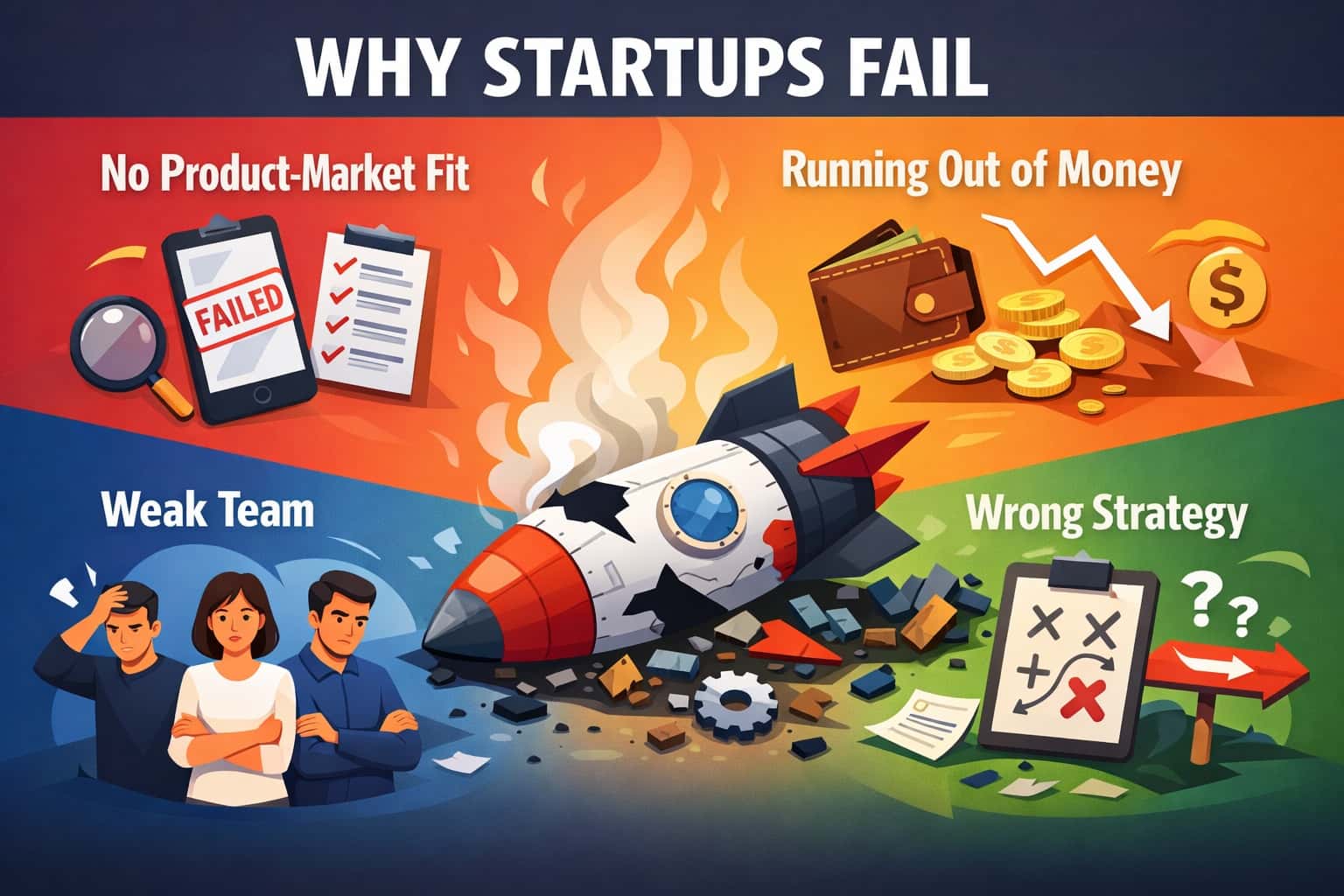
Read: Startup Failure Rate 2026: Why 90% of Startups Fail (ImFounder)
At the same time, another major trend emerged:
bootstrapping made a comeback.
More founders began choosing profitability and independence over chasing venture capital.
Read: 10 Bootstrapped Startups That Raised Zero — And Still Won in 2026 (ImFounder)
The founder narrative changed dramatically in 2026.
The new startup hero was no longer necessarily the founder who raised the most money.
It was increasingly the founder who survived.
LinkedIn’s Trust Crisis Reflected a Bigger Internet Problem
Another major May 2026 story was the growing frustration around fake jobs, ghost listings, and AI-generated recruiting spam.
Job seekers around the world increasingly reported:
- fake openings
- endless application loops
- recruiter automation
- ghost hiring
- AI-written listings
- non-existent vacancies
IMFounder covered how LinkedIn’s hiring ecosystem was beginning to lose user trust.
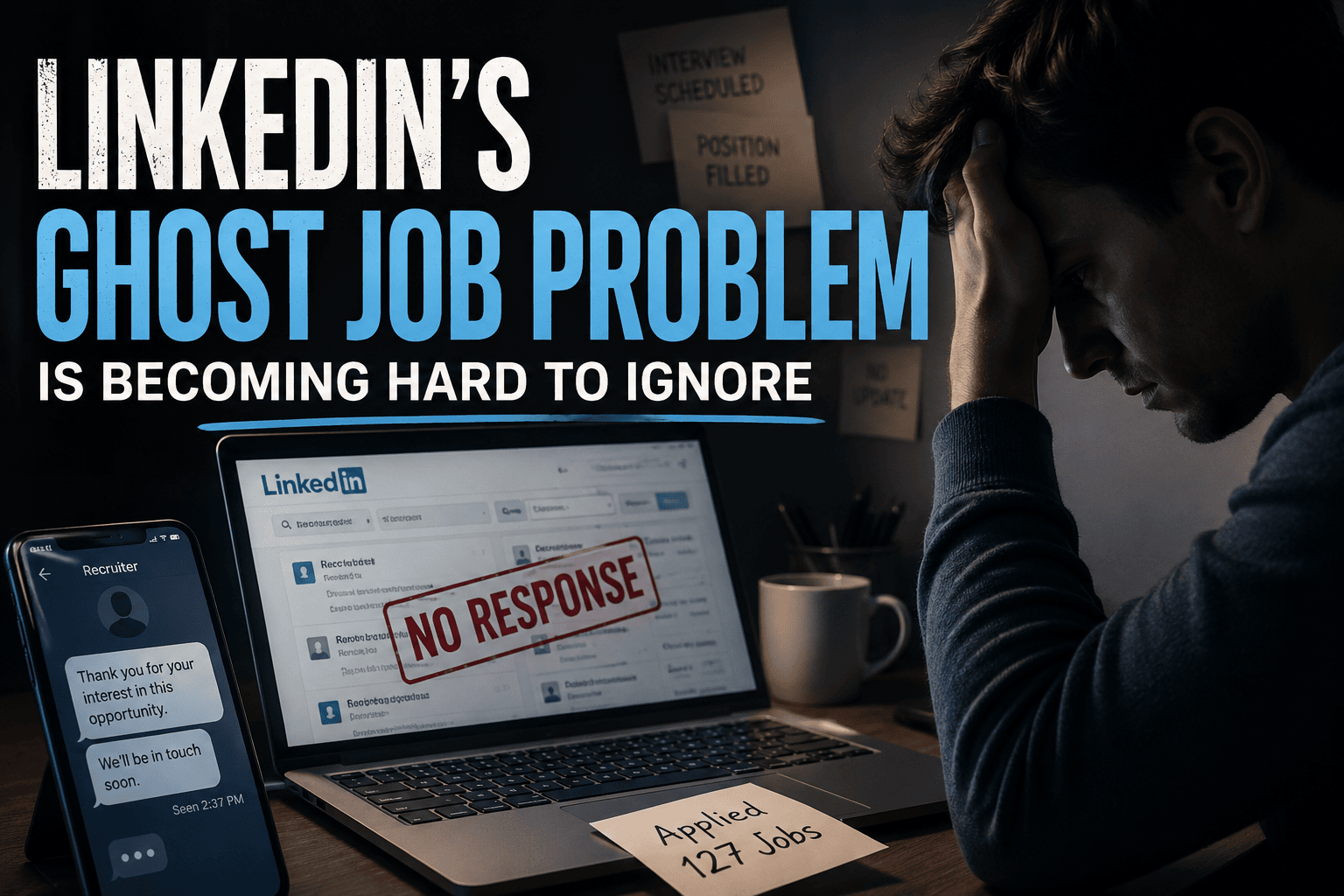
Read: LinkedIn Has a Fake Job Problem and People Are Finally Starting to Notice (ImFounder)
The issue reflected a larger internet-wide problem:
AI dramatically increased content volume, but not necessarily authenticity.
Around the World: The Biggest Themes of May 2026
Globally, May 2026 was dominated by five massive themes:
1. AI Infrastructure Wars
Countries and corporations accelerated investments into:
- AI chips
- hyperscale data centers
- energy systems
- sovereign AI initiatives
- compute infrastructure
The race increasingly resembled an industrial arms race.
2. Economic Anxiety
Despite stock market optimism in parts of the tech sector, many workers globally faced:
- hiring slowdowns
- layoffs
- AI replacement fears
- rising living costs
- economic uncertainty
3. Climate Pressure
Extreme weather events and water concerns became increasingly tied to AI infrastructure conversations, especially around data center expansion.
4. Digital Authenticity Collapse
The internet became harder to trust:
- AI influencers
- AI-generated news
- fake jobs
- synthetic media
- automated spam
- manipulated content
The distinction between human and machine content blurred rapidly.
5. The Beginning of the Autonomous Internet
May 2026 may eventually be remembered as one of the first months where autonomous AI systems became visibly mainstream.
Not just assistants.
Agents.
Systems capable of:
- researching
- coding
- planning
- automating
- executing
That transition could redefine entire industries over the next decade.
The Bigger Story Behind May 2026
Looking back, May 2026 did not feel like a single news cycle.
It felt like a preview of the next internet era.
A world where:
- AI writes content
- AI runs workflows
- AI controls discovery
- AI reshapes hiring
- AI transforms infrastructure
- AI competes with creators
- AI changes how startups are built
And beneath all the hype, one uncomfortable question quietly emerged:
If AI becomes the operating layer for everything, what happens to the humans inside the system?
That may become the defining question of the next decade.
At IMFounder, May 2026 was not just another month of headlines.
It was the month the future stopped feeling theoretical.
FAQ
What happened in May 2026 in tech?
May 2026 saw massive developments in artificial intelligence, startup ecosystems, AI infrastructure, cybersecurity, and digital hiring platforms globally.
Why was May 2026 important for AI?
The month marked a major shift from AI assistants to autonomous AI agents capable of performing real workflows independently.
What were the biggest IMFounder stories in May 2026?
IMFounder covered Google’s AI data centre expansion, Apple’s M5 chip security controversy, AI agents, startup failures, and LinkedIn’s fake job crisis.
Why are AI agents important?
AI agents represent the next evolution of artificial intelligence, moving beyond simple chatbots into systems that can execute tasks autonomously.