
Influencer-Founded Brands Are Changing Entrepreneurship Forever
Influencer-Founded Brands are quietly rewriting the rules of business. A decade ago, creators chased brand deals. Today, they own the brand — and the numbers are staggering.
A YouTuber launches chocolate → $250 million revenue
A teenage vlogger launches coffee → $22 million business
A TikTok creator signs brand rights → $975 million deal
This isn’t hype. It’s a new startup model:
Audience first. Product second. Revenue immediately.
And what makes this story powerful is that many of these founders weren’t celebrities — they were just creators with cameras, consistency, and community.
1. MrBeast — The YouTuber Whose Chocolate Business Beat YouTube
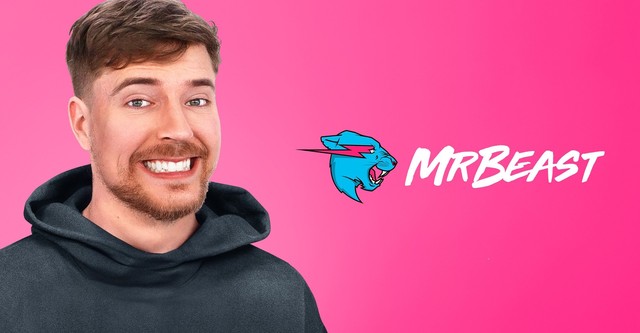
Jimmy Donaldson didn’t start as a businessman. He started as a teenager uploading random videos. For years, he made almost nothing.
Then he launched Feastables.
- 2022 revenue: $33M
- 2023 revenue: $96M
- 2024 revenue: $250M
- 2025 projected: $520M
- Profit (2024): $20M
- Company valuation: ~$5 billion
- 600+ million subscribers across all beast YouTube channels and 86+ million on instagram.
What’s even more shocking:
His chocolate brand became more profitable than his YouTube empire. (Femfounded)
This is the creator economy flywheel:
Videos → Audience → Product → Retail → Billion-dollar company
He reinvests everything. At one point he reportedly had less than $1 million cash despite owning billions on paper.
This is not influencer marketing.
This is creator-built capitalism.
2. Emma Chamberlain — From Bedroom Videos to Coffee Brand
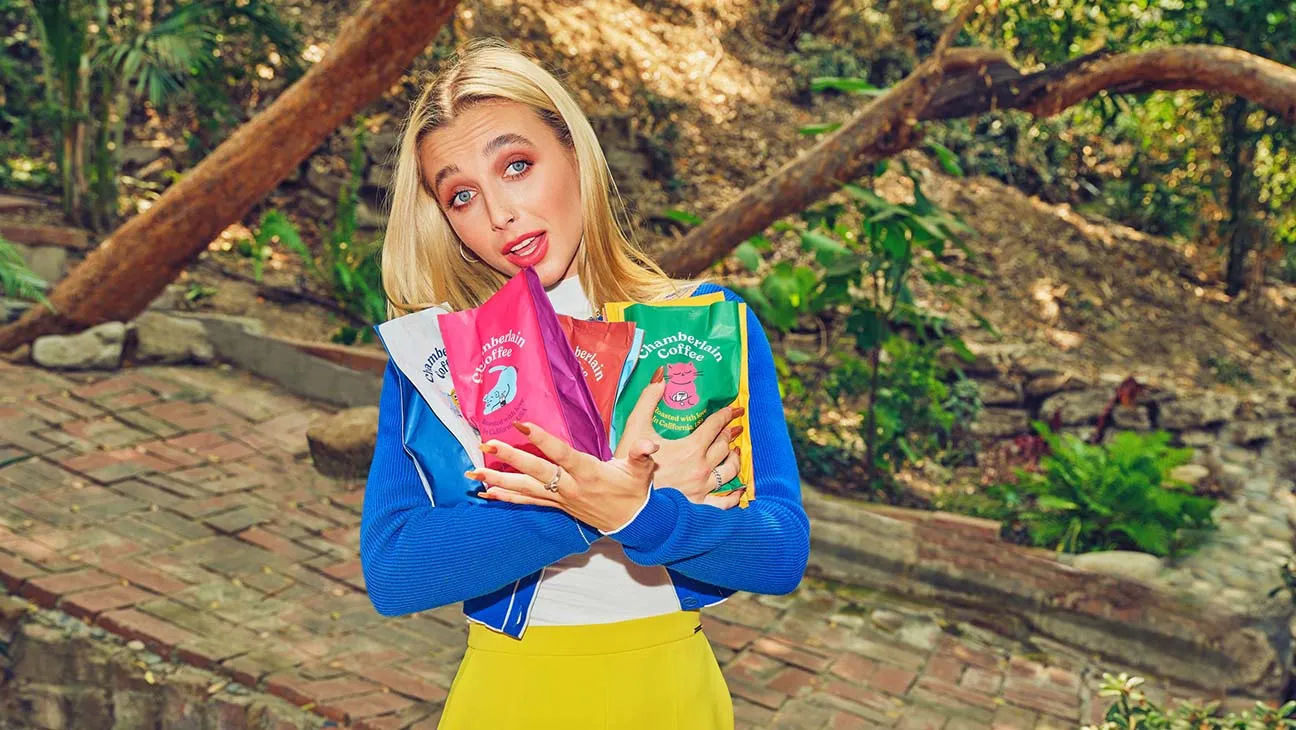
Emma Chamberlain started filming casual YouTube vlogs in her bedroom. No production team. No investors. Just personality.
At 19, she launched Chamberlain Coffee.
- 2024 revenue: ~$22 million
- 2025 projected: ~$33 million
- Funding raised: ~$20 million
- Retail presence: 10,000 stores (Femfounded)
- Around 14 million on instagram and 12 million on YouTube
Her brand worked because it felt personal:
- She drinks coffee → audience relates
- She designs packaging → audience buys
- She posts casually → audience trusts
This is emotional commerce.
Followers aren’t customers. They’re supporters.
3. Khaby Lame — Silent Videos, Nearly Billion-Dollar Brand Deal

Khaby Lame lost his factory job during lockdown. He started posting silent reaction videos.
No talking. No studio. No script.
Then brands came.
- Estimated earnings per post: $400,000–$750,000
- Total earnings (2020-2025): $200M+ earned media value
- Licensing & business deals: millions
- Brand rights deal announced: $975 million (Cassius Life)
- Over 230 million follower across all social media
He built a business without speaking.
His value isn’t ads — it’s intellectual property.
His face. His gesture. His brand.
That’s the future: creators as companies.
4. Huda Kattan — Blogger to Billion-Dollar Beauty Founder
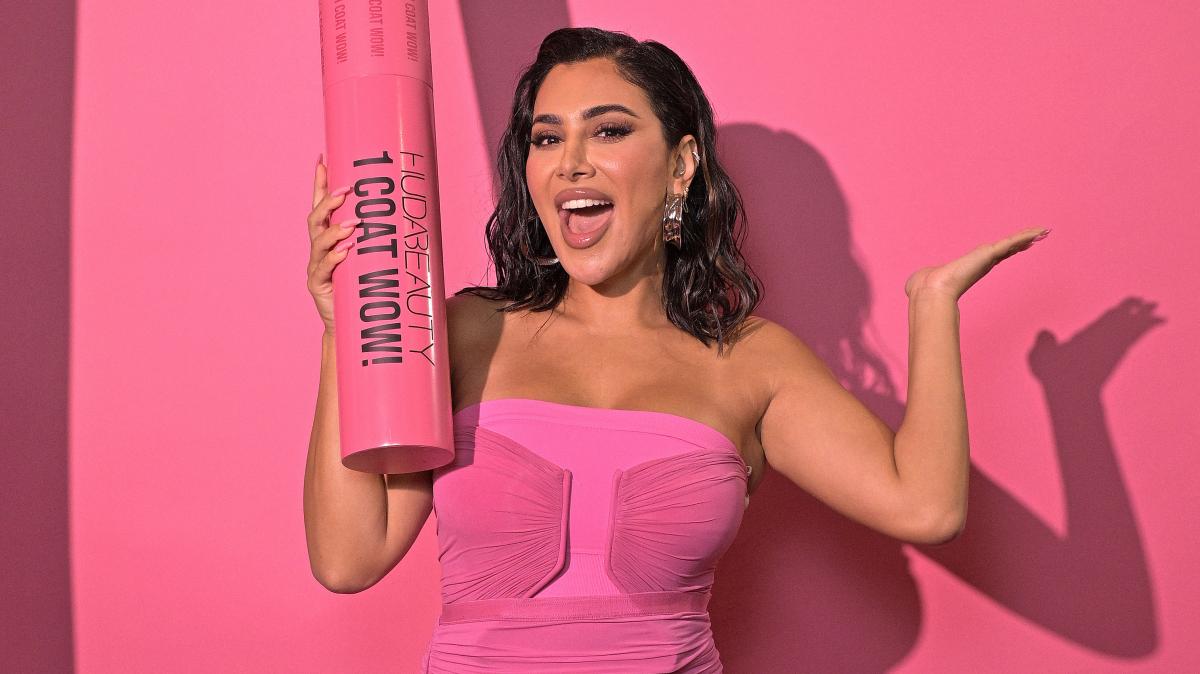
Huda started as a beauty blogger reviewing makeup. She built trust with tutorials.
Then she launched Huda Beauty.
- Quarterly revenue reportedly surpassing $500M in 2026
- Global retail distribution
- Millions of loyal customers (Amra and Elma LLC)
- 57 million followers on instagram
She didn’t rely on ads.
Her Instagram was the marketing engine.
This is what makes Influencer-Founded Brands dangerous to traditional companies:
They don’t buy attention — they own it.
5. Chiara Ferragni — Blogger Turned Fashion CEO
Chiara started as a fashion blogger in Italy. Just outfit photos.
Then she launched Chiara Ferragni Collection.
- Brand peak revenue: ~$32 million
- Studied at Harvard Business School
- One of the first influencer-owned fashion labels
- 27 million followers on instagram
She proved something early:
A personal brand can become a global fashion company.
6. CarryMinati — Indian Creator Commerce Explosion
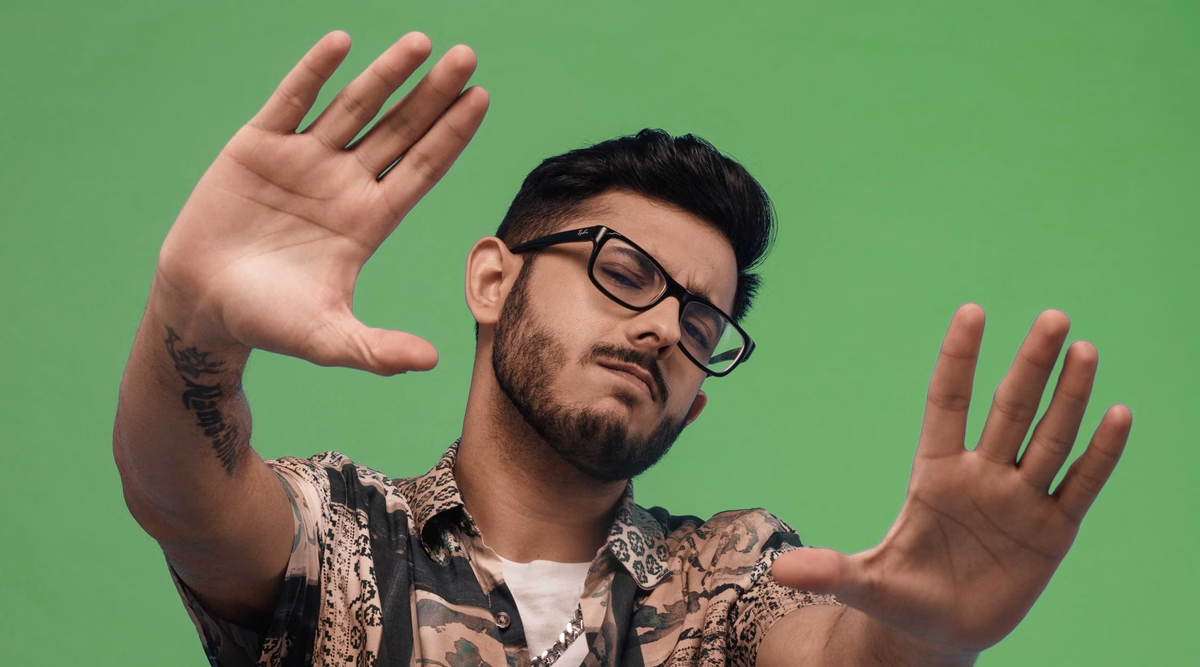
CarryMinati built one of India’s largest creator audiences.
He monetized through:
- Merch drops
- Gaming partnerships
- Brand collaborations
- Creator-led commerce
- 57+ million subscribers on YouTube with over 4 billion views and 22 million followers on instagram.
India’s creator economy is still early — meaning huge upside ahead.
The real insight:
Creators in emerging markets may build the next billion-dollar brands.
7. Tammy Hembrow — Fitness Influencer to Multi-Million Business

Tammy built Saski Collection and wellness products from Instagram.
- Brand ran for 8 years
- Net worth estimated: ~$58 million
- Multiple business ventures including fitness app & supplements (News.com.au)
- 16+ million followers
Even after closing one brand, she built others.
That’s creator leverage.
Audience stays. Businesses evolve.
8. PewDiePie — Community First Commerce
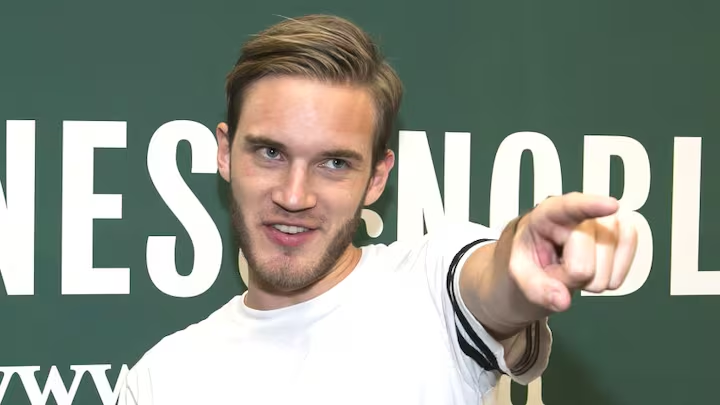
PewDiePie built:
- Apparel brands
- Gaming partnerships
- Creator collaborations
- 110 million subscribers and over 29 billion views on YouTube
His strategy:
Community loyalty → product demand
No hype. Just trust.
9. MKBHD — Tech Creator Building Product Ecosystem
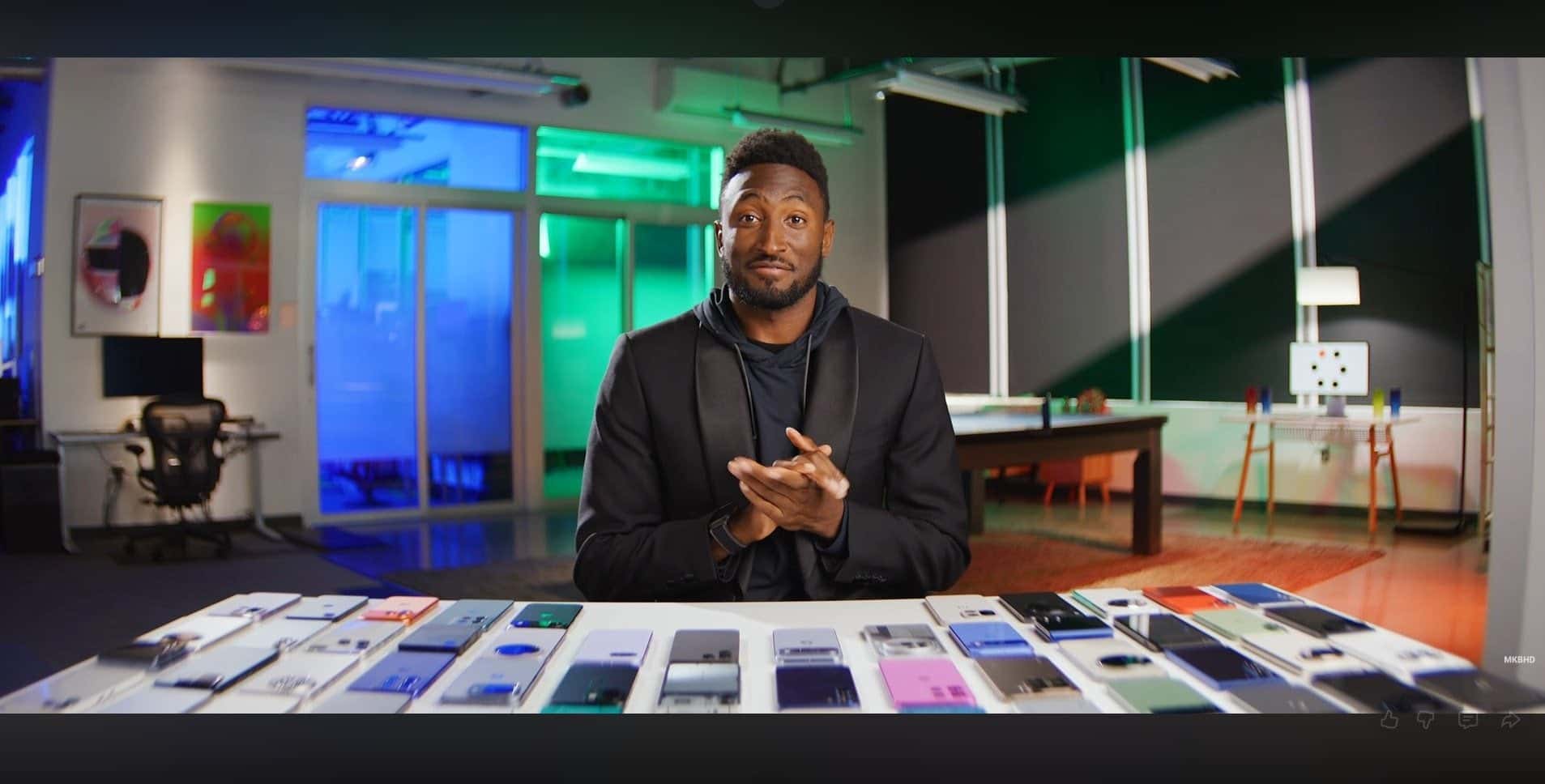
Marques Brownlee started reviewing phones.
Then he expanded into:
- Merchandise
- Digital tools
- Studio production brand
- Over 25 million followers
His authority created premium audience monetization.
10. Nuseir Yassin — Content Creator Building Global Media Company
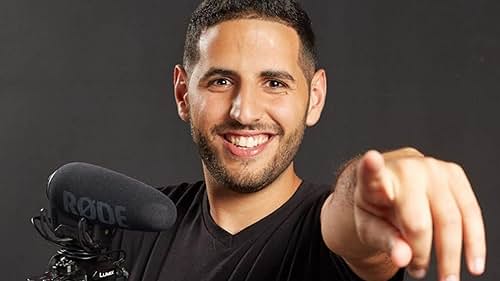
Nas Daily built:
- Creator academy
- Media company
- Educational products
- Brand partnerships
- Around 70 million followers
He turned storytelling into multi-revenue business.
The Emotional Truth Behind Influencer-Founded Brands
Every one of these founders started the same way:
No investors
No office
No team
Just content
They built attention before capital.
And attention is the most powerful asset in modern business.
This is why Influencer-Founded Brands scale faster:
- No ad spend
- Instant product launch
- Built-in audience
- High trust conversion
Traditional startups build product → then find users
Creators build users → then launch product
That’s the shift.
The Future: Everyone With an Audience Becomes a Founder
The next wave will include:
- AI influencer brands
- Creator SaaS tools
- Influencer marketplaces
- Community-owned companies
- Digital-first consumer brands
The biggest companies of the next decade may start as YouTube channels.
Related Articles on IMFounder
- 7 Deadly Pitch Deck Red Flags — That Instantly Kill Deals — A Canadian VC’s POV
- The Massive Anthropic IPO — Signal a Dangerous Peak in the AI Bubble
- Community Coders Story — Startup That Didn’t Scale and the Lessons It Offers
- Women Entrepreneurship — Grants, Funding, and Support for Women Entrepreneurs
- The Founder’s Complete Guide — every visa pathway, grant, and funding program in Canada and the USA
- Building Wealth While Building a Startup — The Financial Playbook Every Founder Should Know
- The Emotional Rollercoaster of Building a Startup — The side of entrepreneurship no one talks about—but every founder feels
- How to Decide What NOT to Build — A Founder’s Guide to Focus, Speed, and Product-Market Fit
- From Side Hustle to Freedom — How Gen Z Is Building Multiple Income Streams
- Sophie Rain, OnlyFans — How she made $40 Million in 18 months.